
ROME, October 16, 2026 -Global leaders, policymakers and development partners are set to meet in Rome and online from...


For millions of people, hepatitis is an invisible threat that is quietly damaging lives, often without warning or symptoms. Yet it receives far less public attention in comparison with HIV, tuberculosis and malaria.
In a call to break the silence, the 2026 World Hepatitis Day bears a clear and simple message: “Hepatitis: Let’s Break It Down.”
The theme poses a challenge and a call to action for governments, health systems, communities and individuals to challenge misconceptions and remove the barriers that keep people from prevention, testing and treatment.
The urgency is difficult to ignore.
Despite decades of scientific progress, viral hepatitis still kills one person every 30 seconds. Hepatitis B and C alone were responsible for an estimated 1.34 million deaths in 2024, accounting for about 95 percent of all hepatitis-related deaths worldwide. Every day, more than 4,900 people become newly infected, amounting to roughly 1.8 million new infections each year.
Yet health experts insist that the biggest obstacle is no longer the absence of medical solutions. Instead, the challenge lies in ensuring those solutions reach the people who need them most.
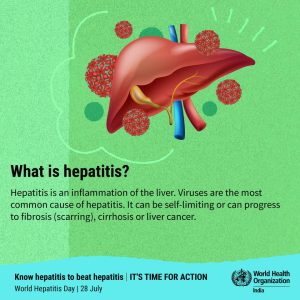
Viral hepatitis refers to inflammation of the liver caused by five main viruses—hepatitis A, B, C, D and E. While each behaves differently, hepatitis B and C account for the overwhelming majority of severe liver disease, cirrhosis and liver cancer worldwide.
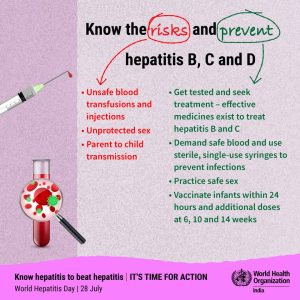
Hepatitis B spreads primarily through infected blood, unprotected sexual contact and from mother to child during childbirth. If left untreated, it is responsible for about 90 percent of liver cancer cases globally.
Hepatitis C is most commonly transmitted through unsafe injections and contaminated blood. Unlike hepatitis B, however, it is now curable with modern antiviral medicines.
Other forms of the disease continue to present serious public health challenges.
An estimated 20 million people contract hepatitis E every year, with around 3.3 million developing symptoms, particularly in humanitarian settings where access to clean water and sanitation is limited.
Meanwhile, hepatitis D—which only infects people already living with hepatitis B—has recently been classified as carcinogenic. Research shows that co-infection increases the risk of developing liver cancer by two to six times compared to hepatitis B infection alone.
Although hepatitis is a global concern, its burden is unevenly distributed.
In Vietnam, for instance, more than seven million people are living with hepatitis B or C, representing approximately one in every 15 people. The country also records liver cancer as the leading cause of cancer-related deaths, illustrating the devastating long-term consequences of untreated hepatitis.
One of the defining messages of this year’s World Hepatitis Day is that eliminating hepatitis is no longer a scientific challenge—it is a delivery challenge.
The world already possesses effective vaccines, accurate diagnostic tests and medicines capable of preventing severe illness and saving lives.
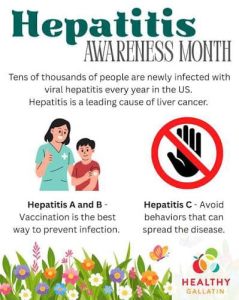
The hepatitis B vaccine remains one of the most successful public health interventions ever introduced. Countries that consistently administer the birth-dose vaccine within the first 24 hours after delivery have dramatically reduced infections among children.
Today, hepatitis B prevalence among children under five has fallen to 0.6 percent globally, and 85 countries have already achieved the 2030 target of reducing childhood infection to 0.1 percent. Since 2015, new hepatitis B infections have declined by 32 percent, demonstrating what sustained immunization programmes can achieve.
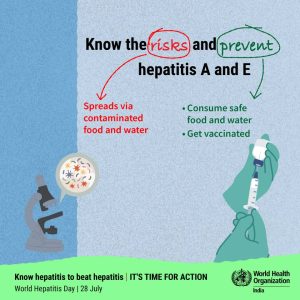
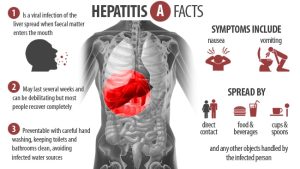
Vaccines are also available for hepatitis A, while China has licensed a vaccine against hepatitis E that has already been deployed during outbreak responses. Alongside vaccination, improved sanitation and access to safe drinking water remain critical for preventing hepatitis E transmission.
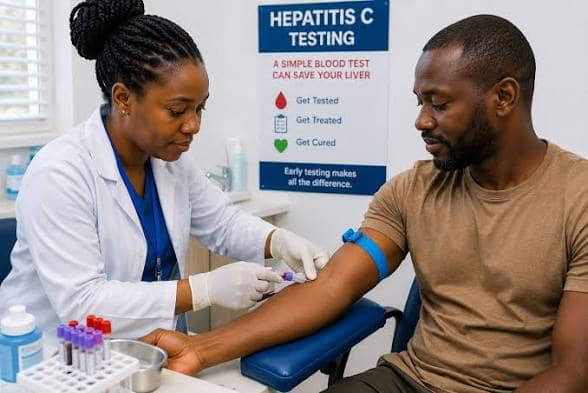
While prevention has made significant progress, one of the biggest barriers to eliminating hepatitis is that millions of infected people simply do not know they are carrying the virus.
Unlike many infectious diseases, hepatitis often develops silently over several years. By the time symptoms appear, irreversible liver damage may already have occurred.
Recognising this challenge, the World Health Organization (WHO) is encouraging countries in 2026 to normalize hepatitis screening in the same way HIV testing became routine over the past two decades.
Several countries are already integrating hepatitis testing into hospital admissions, maternal healthcare services and primary healthcare centres rather than relying on specialised clinics.
The Pan American Health Organization (PAHO) is also helping countries reduce diagnostic costs through its Strategic Fund, enabling governments to procure affordable testing kits and laboratory supplies.
Public health experts believe expanding access to routine testing remains the single most effective step toward reducing hepatitis-related deaths.
Scientific advances have transformed hepatitis treatment over the past decade.
Most people diagnosed with hepatitis C can now be cured within two to three months using oral antiviral medicines.
Although hepatitis B currently has no cure, lifelong antiviral therapy effectively suppresses the virus, slows liver damage and significantly reduces the likelihood of developing liver cancer.
For pregnant women living with chronic hepatitis B, treatment during pregnancy combined with administering the hepatitis B vaccine to newborns within the first 24 hours after birth has proven highly effective at preventing mother-to-child transmission.
These interventions are already delivering measurable results.
Globally, deaths linked to hepatitis C have fallen by approximately 12 percent, showing that when treatment is available and affordable, lives are saved.
If vaccines, diagnostics and medicines already exist, why does hepatitis continue to kill more than a million people every year?
According to WHO and other international health agencies, the answer lies in persistent barriers that prevent healthcare systems from delivering these interventions effectively.
Stigma remains one of the most significant obstacles. Fear of discrimination discourages many people from seeking testing or treatment, allowing infections to progress unnoticed.
Healthcare delivery also remains fragmented in many countries. Hepatitis services are often concentrated in specialist hospitals rather than integrated into routine primary healthcare, making diagnosis and treatment difficult to access.
Cost continues to be another challenge. Even where national health insurance covers treatment, patients may still struggle to afford transportation, repeated hospital visits or laboratory investigations.
Awareness is equally important. Many healthcare workers fail to routinely recommend hepatitis testing, while members of the public often wait until severe symptoms develop before seeking medical care.
WHO Director-General Dr. Tedros Adhanom Ghebreyesus has repeatedly emphasised that the pace of progress is no longer limited by science but by unequal access to proven health interventions.
This year’s World Hepatitis Day campaign places particular emphasis on practical solutions that have already demonstrated success across different regions.
Rather than establishing separate hepatitis programmes, several countries are integrating hepatitis services into maternal healthcare, diabetes clinics and routine primary healthcare. This approach reduces costs, improves accessibility and supports universal health coverage.
International initiatives promoting pooled procurement have also helped lower the prices of medicines and diagnostic tools, making treatment more affordable for lower-income countries.
Data-driven decision-making is another important development. The WHO Western Pacific Region’s Hepatitis Dashboard now tracks vaccination rates, treatment coverage and hepatitis-related deaths across participating countries. Reporting has expanded from 113 countries in 2023 to 140 countries in 2025, providing governments with stronger evidence to guide investment and policy decisions.
Efforts to eliminate mother-to-child transmission continue to produce some of the fastest public health gains. Universal screening of pregnant women, prompt antiviral treatment where necessary and timely newborn vaccination have significantly reduced childhood infections in countries that consistently implement these measures.
Communities themselves are also becoming central to the response. Across many countries, people living with hepatitis, liver cancer survivors and civil society organizations are helping reduce stigma through education campaigns, peer support groups and public awareness programmes.
These examples demonstrate that eliminating hepatitis does not require new medical breakthroughs. It requires expanding access to interventions that are already proven to work.
The World Health Assembly adopted the global goal of eliminating viral hepatitis as a public health threat by 2030.
Although measurable progress has been made, current trends suggest the world is not yet moving quickly enough to achieve that ambition.
Health agencies warn that success will depend on sustained political commitment, increased domestic financing, stronger primary healthcare systems and wider access to affordable medicines and diagnostics.
Without accelerated investment, millions more preventable infections and deaths could occur before the end of the decade.
While governments play a leading role in hepatitis elimination, individuals also have an important part to play.
Knowing one’s hepatitis status through early testing remains the gateway to treatment and prevention.
People who have never received the hepatitis B vaccine should speak with healthcare providers about vaccination, as immunization remains highly effective in adulthood.
Pregnant women are encouraged to request hepatitis B screening during antenatal care, ensuring babies receive appropriate protection immediately after birth if necessary.
Communities can also advocate for hepatitis services to become a routine part of primary healthcare alongside HIV, malaria and other essential health services. The more accessible and routine testing becomes, the less stigma surrounding the disease will persist.
World Hepatitis Day has always sought to raise awareness, but the 2026 campaign carries a more urgent message.
The world already knows how to prevent hepatitis infections, reduce liver cancer and save lives. Vaccines work. Testing works. Treatment works.
The remaining challenge is ensuring that these tools are available to everyone, regardless of where they live or how much they earn.
Breaking down hepatitis means breaking down stigma, strengthening health systems, lowering costs and making life-saving care part of everyday healthcare rather than a specialized service.
The science has already delivered the answers.
The responsibility now lies in ensuring those answers reach every community before another preventable life is lost.

ROME, October 16, 2026 -Global leaders, policymakers and development partners are set to meet in Rome and online from...

African elephants may be doing something scientists are only beginning to understand: selecting certain plants when they are sick....

Climate change is the biggest story of our time, yet it rarely makes the headlines. While for instance floods...