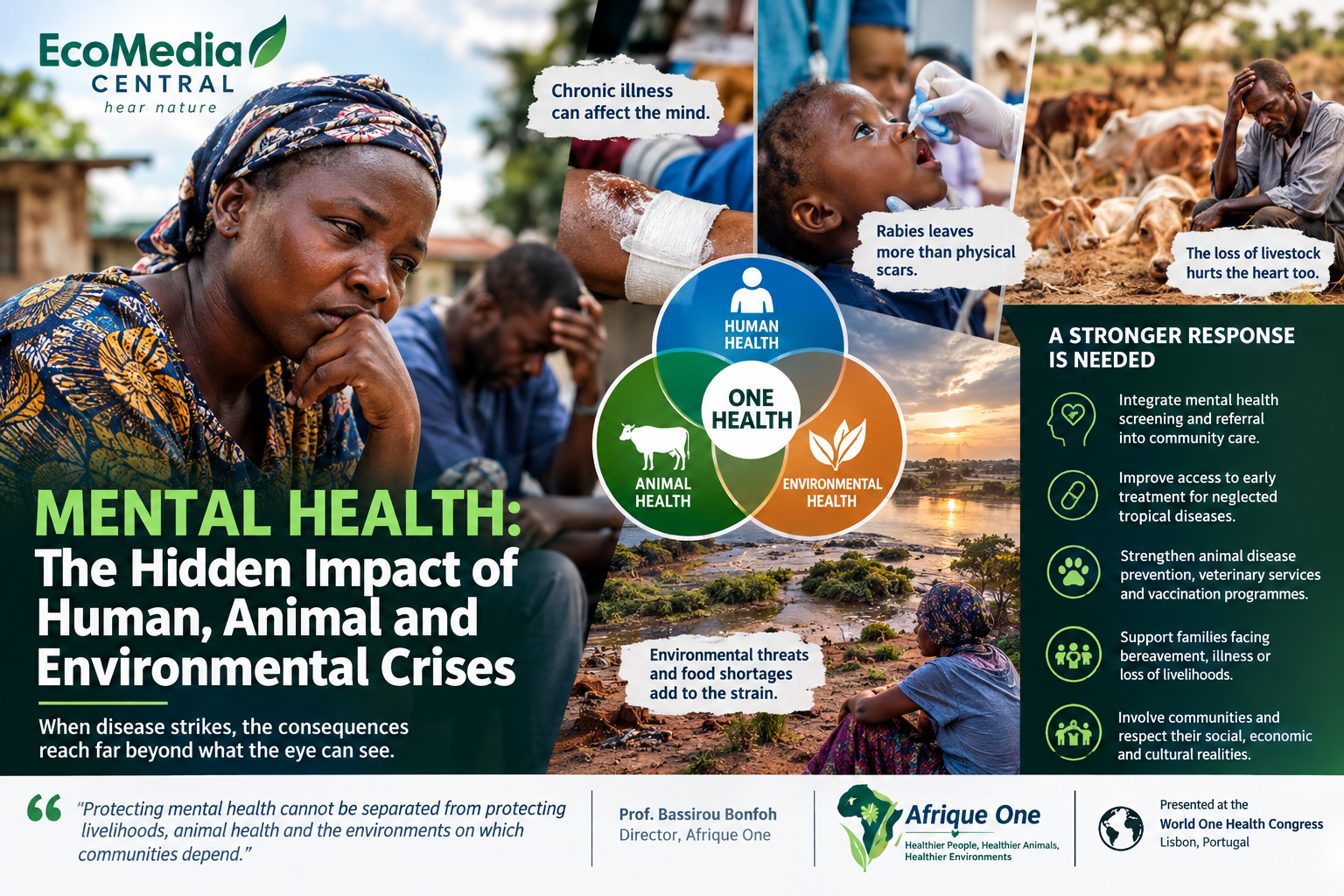
A chronic wound, the loss of livestock, food shortages or the death of a loved one can leave...


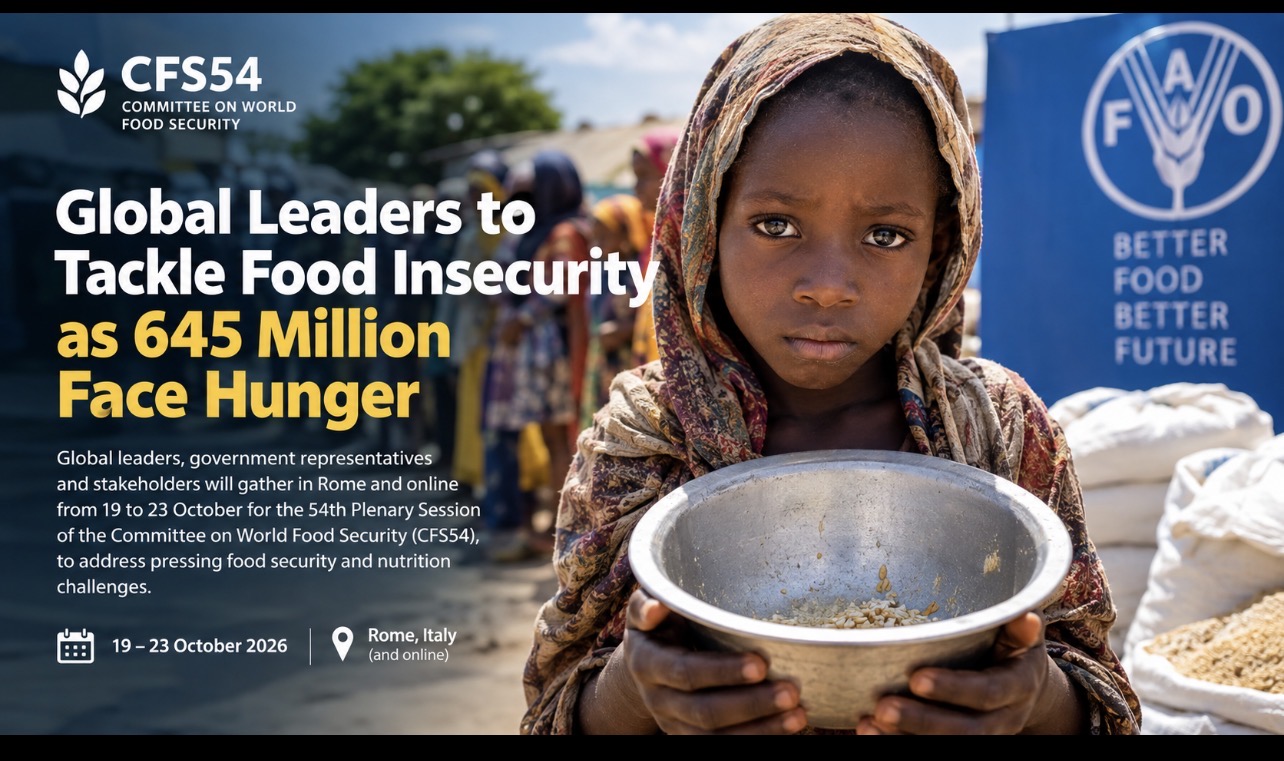
ROME, October 16, 2026 -Global leaders, policymakers and development partners are set to meet in Rome and online from October 19 to 23 to address growing challenges around food security, nutrition and the future of global food systems.
The 54th Plenary Session of the Committee on World Food Security (CFS54) comes as an estimated 645 million people faced hunger in 2025, while 2.1 billion experienced moderate or severe food insecurity, according to the 2026 State of Food Security and Nutrition in the World report.
Although global hunger has declined for the third consecutive year, progress remains uneven, leaving the world off track to achieve Sustainable Development Goal 2, which seeks to end hunger, achieve food security and improve nutrition by 2030.
The report will be presented on Monday by Máximo Torero, Chief Economist of the Food and Agriculture Organization of the United Nations (FAO).
The five-day plenary aims to strengthen international cooperation and develop policy responses to food insecurity and malnutrition, while building consensus on priorities for 2030 and beyond.
CFS Chairperson Professor Anas A. Al-Nabulsi said the committee provides an important example of how inclusive dialogue and multilateral cooperation can help address complex global challenges.
He emphasized the importance of participation, trust and sustained commitment in decision-making processes.
The meeting will feature contributions from senior United Nations officials, including Secretary-General António Guterres and Deputy Secretary-General Amina J. Mohammed, alongside leaders and representatives of international institutions working on agriculture, development, humanitarian assistance and human rights.
Key discussions will focus on building resilient food systems, strengthening Indigenous Peoples’ food systems and traditional knowledge, supporting family farmers, and examining how artificial intelligence, digital technologies and data governance can contribute to food security and nutrition.
Land governance and rural development will also feature prominently on the agenda.
Ministers, ambassadors, civil society organizations, Indigenous Peoples, researchers, financial institutions, philanthropic foundations and private-sector representatives are expected to participate in the discussions.
A total of 39 side events will complement the plenary, providing additional opportunities for dialogue and collaboration.
As countries look beyond 2030, the committee is seeking to strengthen policy coordination and translate international commitments into practical action towards ensuring access to adequate food for all.

A chronic wound, the loss of livestock, food shortages or the death of a loved one can leave...

African elephants may be doing something scientists are only beginning to understand: selecting certain plants when they are sick....

Climate change is the biggest story of our time, yet it rarely makes the headlines. While for instance floods...