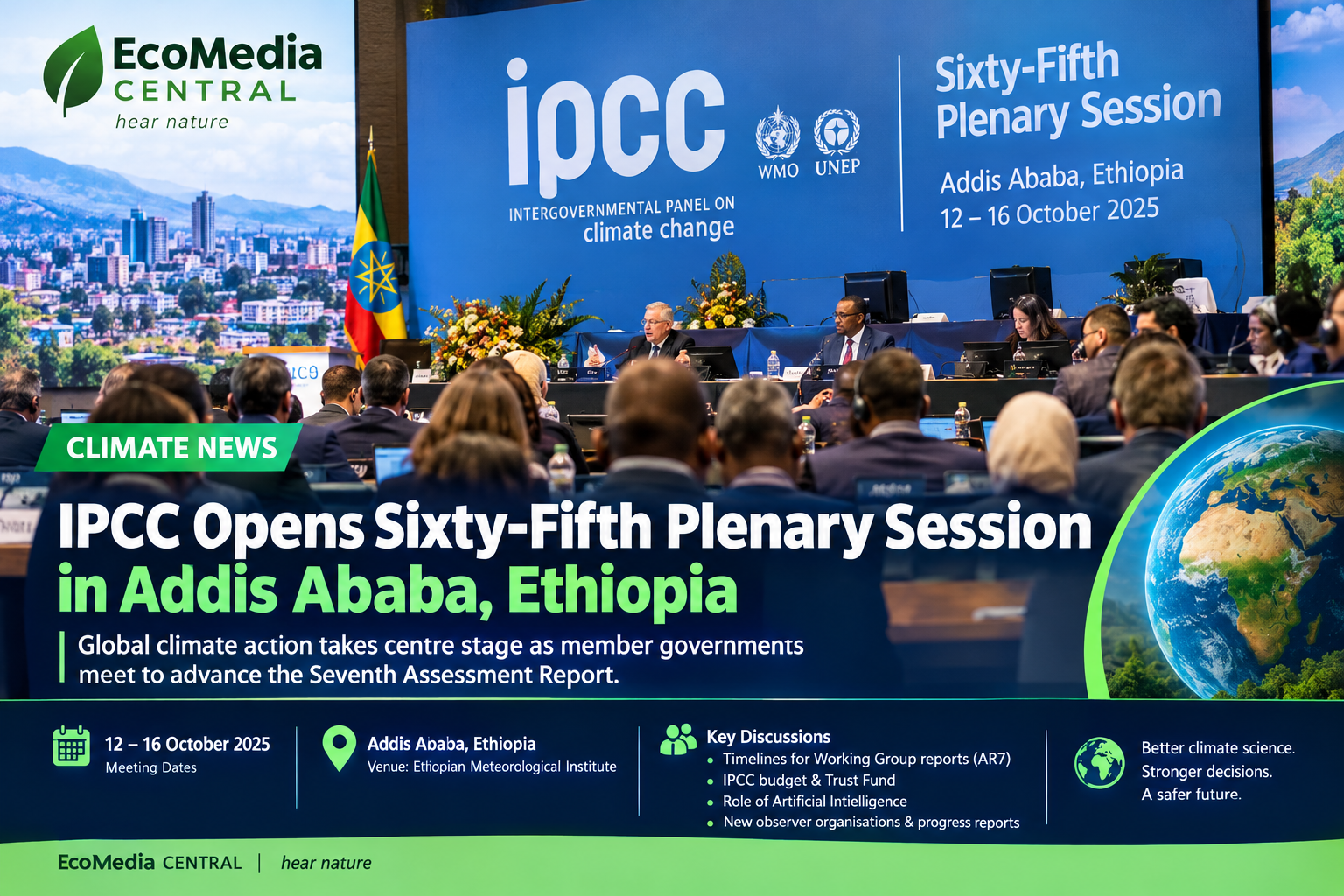
The world’s climate future is under discussion in Addis Ababa, Ethiopia, as the Intergovernmental Panel on Climate Change,...


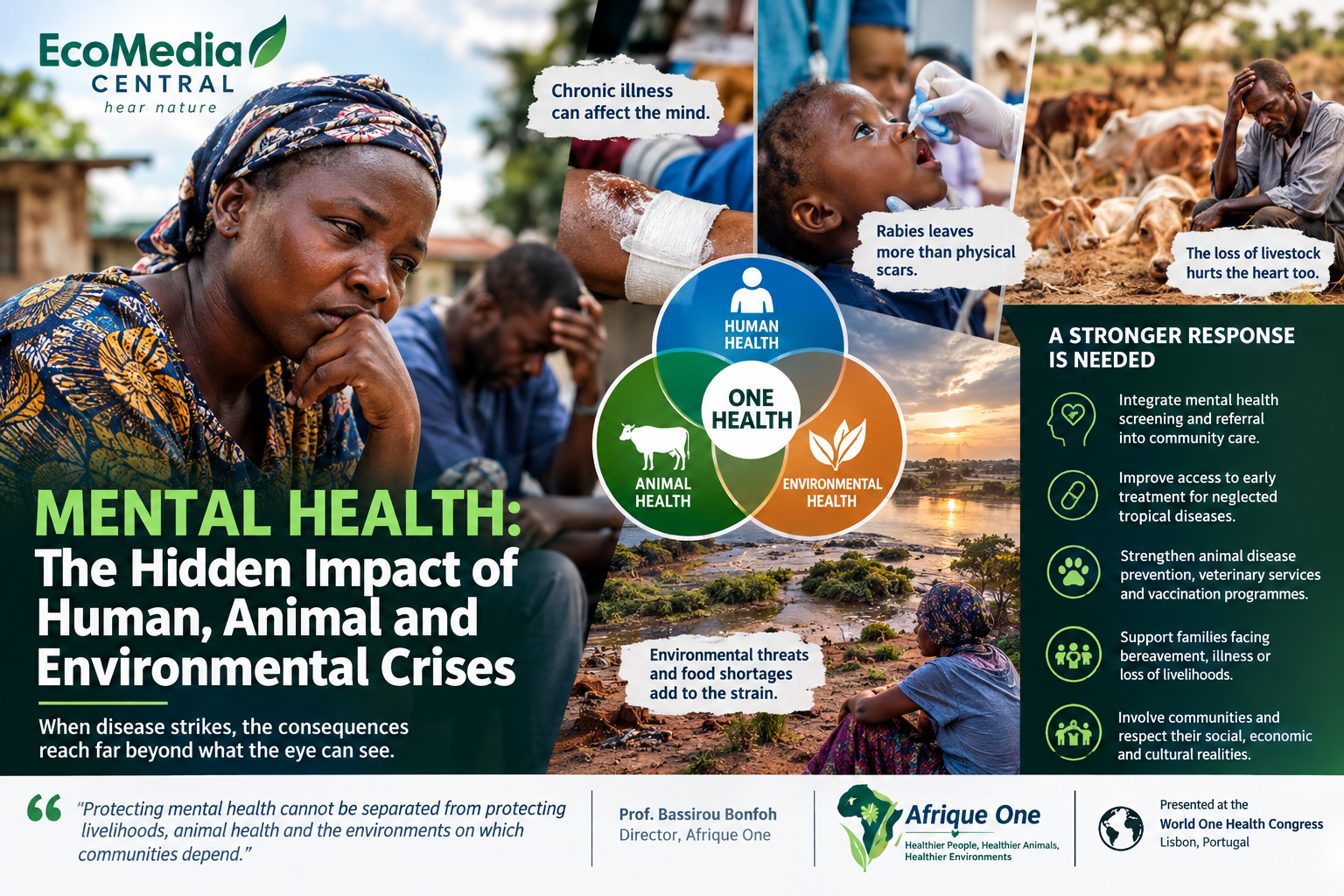
A chronic wound, the loss of livestock, food shortages or the death of a loved one can leave scars that extend far beyond physical pain and economic hardship. These experiences can also have a profound impact on mental health, highlighting the close links between human well-being, animal health and the environment.
Research conducted by Afrique One in Taabo, Côte d’Ivoire, found that anxiety affected 25.5 per cent of patients with minor wounds managed at home by community health workers. The figure rose to 49 per cent among patients in health centres and 77.4 per cent in general hospital settings, where chronic wounds were prevalent.
The psychological burden is also evident in families affected by rabies. Field interviews conducted in central and southern Côte d’Ivoire as part of the GAVI-PEP-PEV project, implemented by Afrique One and its partners, revealed persistent anxiety, guilt and social stigma among families and people exposed to the disease.
For some families, the trauma becomes difficult to share. Fear of social judgment can push people into isolation, while others leave their communities in search of comfort and relief from emotional distress.
Livestock disease presents another dimension of this often-overlooked crisis. For many rural households, animals are essential sources of food, income and financial security. Losing them to disease can therefore trigger severe emotional distress alongside economic hardship.
A study by Afrique One involving 350 farmers in Ghana found that farmers who experienced substantial livestock losses reported significantly lower psychological well-being than those who escaped major losses.
These findings underline the importance of looking beyond the immediate effects of disease. Health emergencies, environmental threats, food insecurity and financial instability can interact, placing additional pressure on individuals, families and entire communities.
According to Professor Bassirou Bonfoh, Director of Afrique One, research across these areas demonstrates the need to address the underlying social and economic factors that shape well-being.
Through the One Health approach, which recognises the interconnectedness of human, animal and environmental health, Afrique One advocates a more integrated response to these challenges.
Recommended measures include identifying psychological distress during community healthcare, referring affected individuals to appropriate mental health services, improving early treatment for neglected tropical diseases and strengthening connections between community health workers and health facilities.
The organisation also emphasises the importance of preventing animal diseases, expanding access to veterinary services and vaccination programmes, and supporting families affected by bereavement, illness and the loss of livelihoods.
Community participation is equally essential to ensure that interventions reflect local social, economic and cultural realities.
The findings and recommendations highlight a central message: protecting mental health cannot be separated from protecting livelihoods, animal health and the environments on which communities depend.
Afrique One presented its communication on this issue at the World One Health Congress in Lisbon, Portugal, contributing to wider discussions on integrated approaches to health and well-being.
Mental health is not an isolated concern. It is an essential part of building healthier, more resilient communities.

The world’s climate future is under discussion in Addis Ababa, Ethiopia, as the Intergovernmental Panel on Climate Change,...
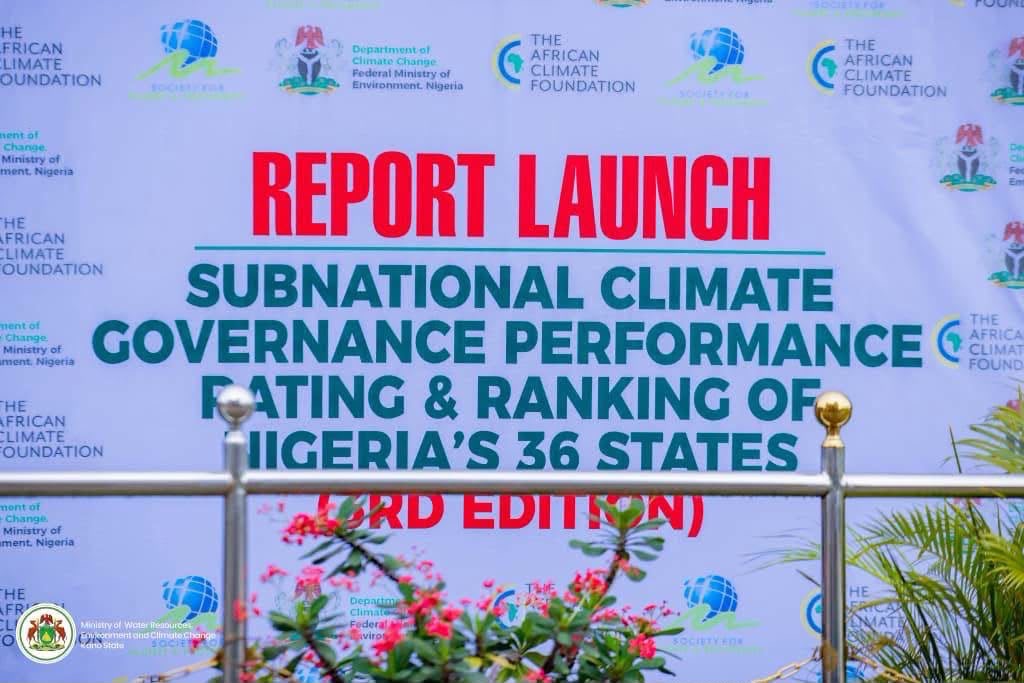
Kano State has moved up to third position among Nigeria’s 36 states in the 2026 Subnational Climate Governance Performance...

KANO, NIGERIA -Kano State Governor, Alhaji Abba Kabir Yusuf, has announced the revival of the Goron Dutse water facility...