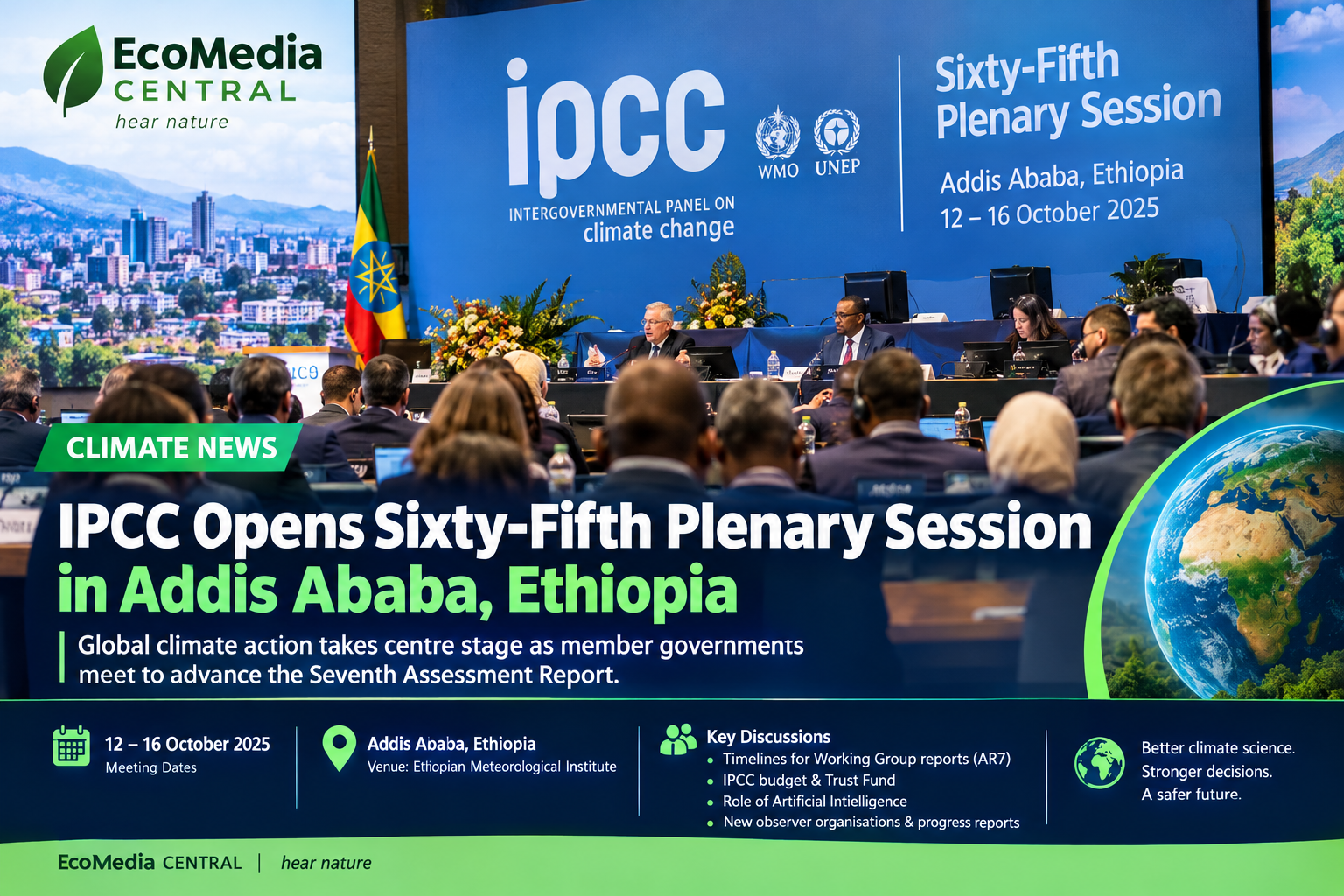
The world’s climate future is under discussion in Addis Ababa, Ethiopia, as the Intergovernmental Panel on Climate Change,...

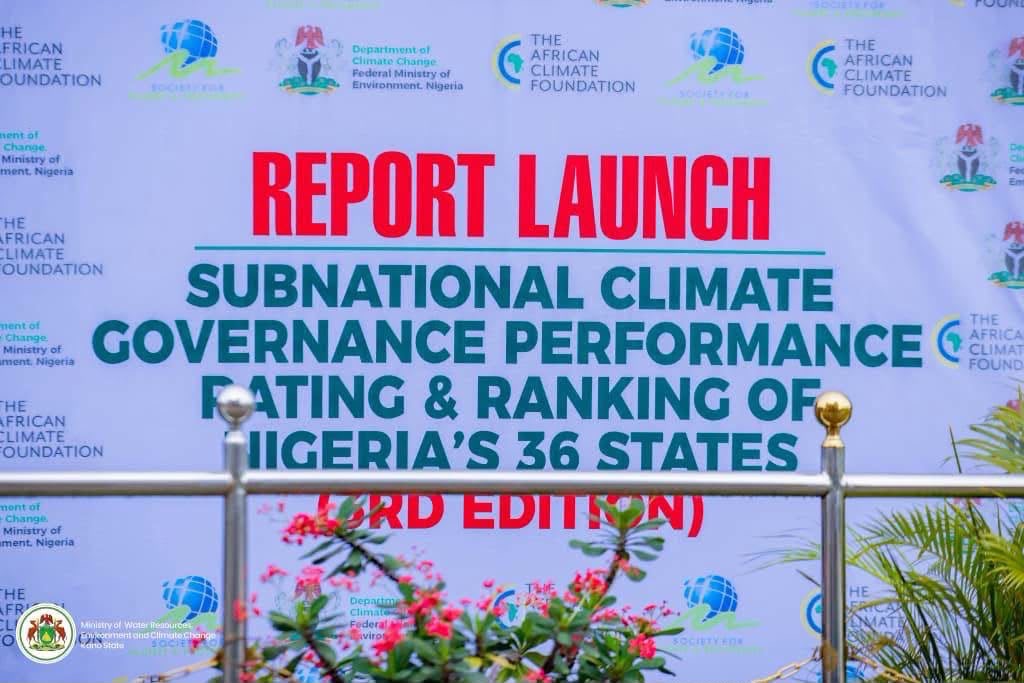
Kano State has moved up to third position among Nigeria’s 36 states in the 2026 Subnational Climate Governance Performance Ranking, marking another significant improvement in the state’s climate governance efforts.
The latest position comes just one year after Kano recorded one of the most notable improvements in the ranking, rising from 35th position in 2024 to 4th in 2025.
The further move to third position in 2026 signals continued efforts to strengthen climate governance, institutional coordination and practical environmental interventions across the state.

According to Dr. Dahiru M. Hashim, Honourable Commissioner for Water Resources, Environment and Climate Change, the progress reflects the commitment of the Kano State Government, under the leadership of Governor Abba Kabir Yusuf, to turning climate commitments into measurable action.
One of the major areas highlighted is the strengthening of the state’s institutional framework through the Kano State Climate Change Policy and the ongoing advancement of the Climate Change Bill.
These measures are intended to establish clearer responsibilities, improve coordination and create stronger accountability for climate-related action.
Beyond policies and legislation, Kano has also expanded practical interventions at community level. Among these is the state’s 10 Million Trees Campaign, which incorporates digital tracking and GPS-verified planting locations.
The initiative is complemented by urban greening programmes and the deployment of renewable energy in selected public institutions.
These interventions are particularly important for a state facing growing environmental pressures, including extreme heat, flooding, land degradation, waste-management challenges and pressure on water resources.
Effective climate governance therefore requires more than policies on paper; it depends on whether those policies produce visible improvements in communities and strengthen the ability of people and institutions to respond to environmental challenges.
The 2026 ranking also highlights the importance of collaboration between government institutions, civil society organisations, development partners and environmental stakeholders. The Kano State Government acknowledged the contribution of the Federal Ministry of Environment, the Society for Planet and Prosperity (SPP), and other partners involved in the assessment and broader climate-governance efforts.
Kano’s rise to third position is therefore more than a ranking; it provides an opportunity to examine how climate policies are being translated into action and what more can be done to ensure that environmental progress reaches every part of the state. Sustaining this momentum will require continued investment, transparent implementation, community participation and measurable results.
As Kano strengthens its climate-resilience agenda, the bigger question is no longer whether climate action is necessary, but how effectively today’s policies and investments can create a cleaner, greener, water-secure and climate-resilient Kano for future generations.

The world’s climate future is under discussion in Addis Ababa, Ethiopia, as the Intergovernmental Panel on Climate Change,...
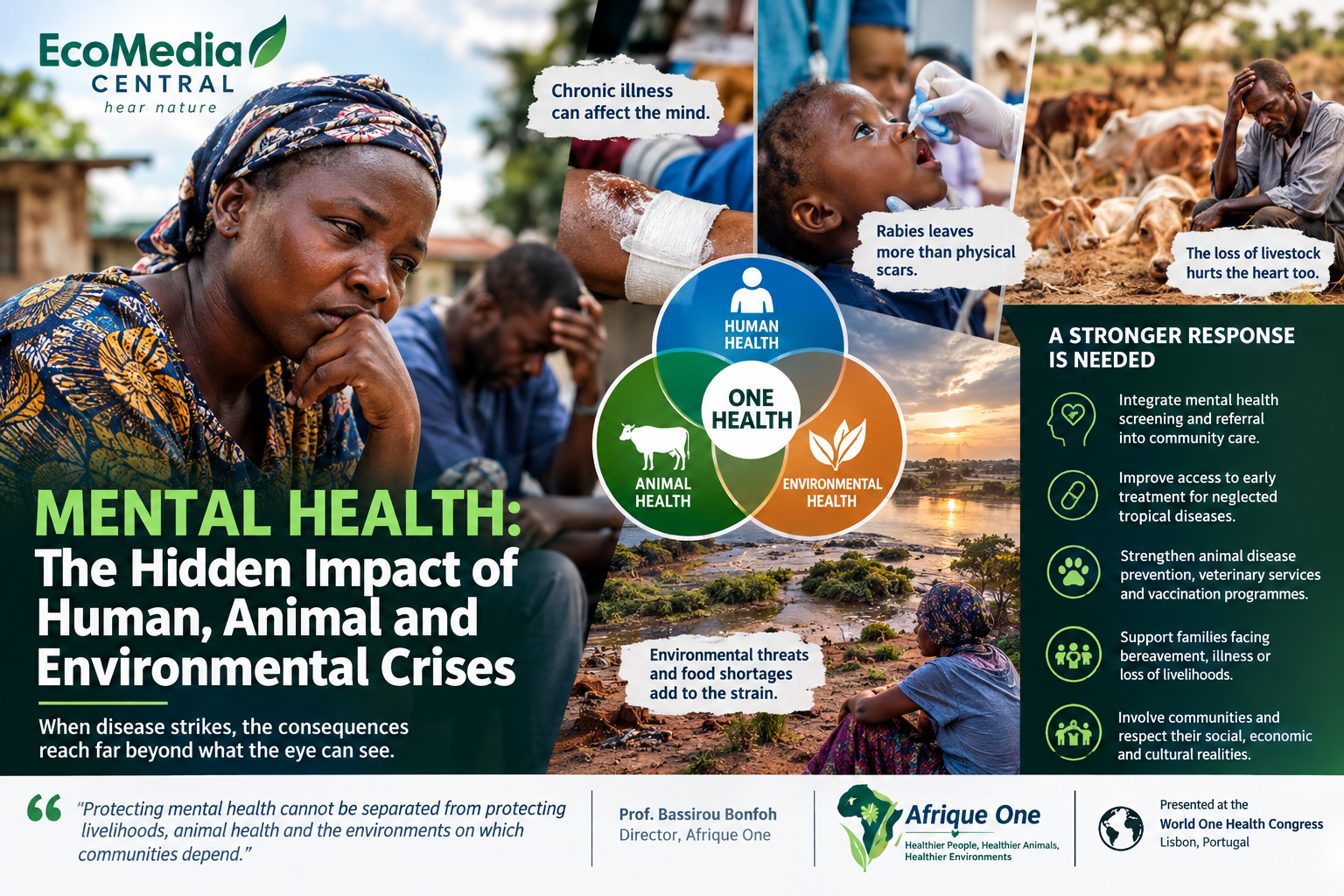
A chronic wound, the loss of livestock, food shortages or the death of a loved one can leave...
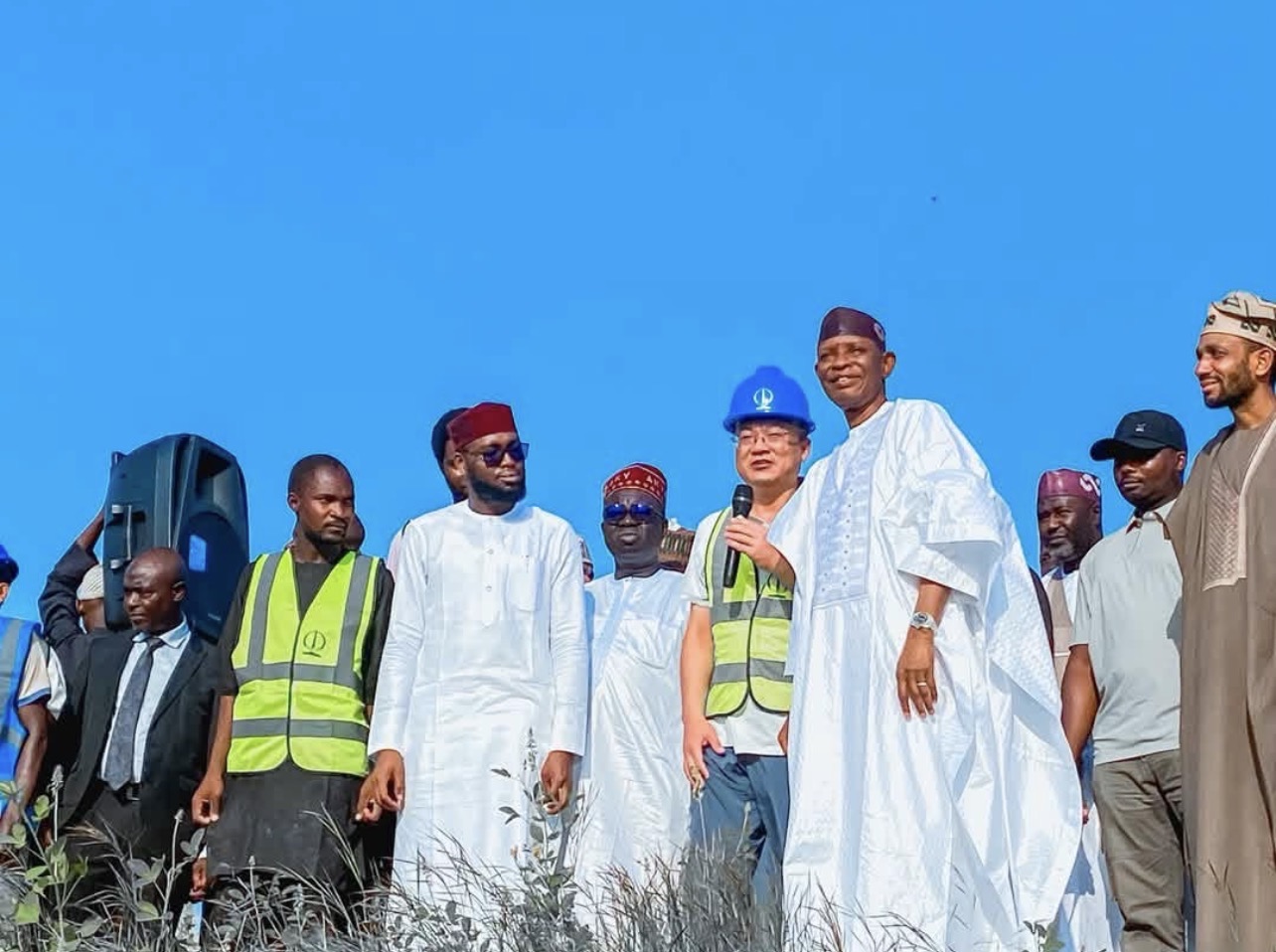
KANO, NIGERIA -Kano State Governor, Alhaji Abba Kabir Yusuf, has announced the revival of the Goron Dutse water facility...