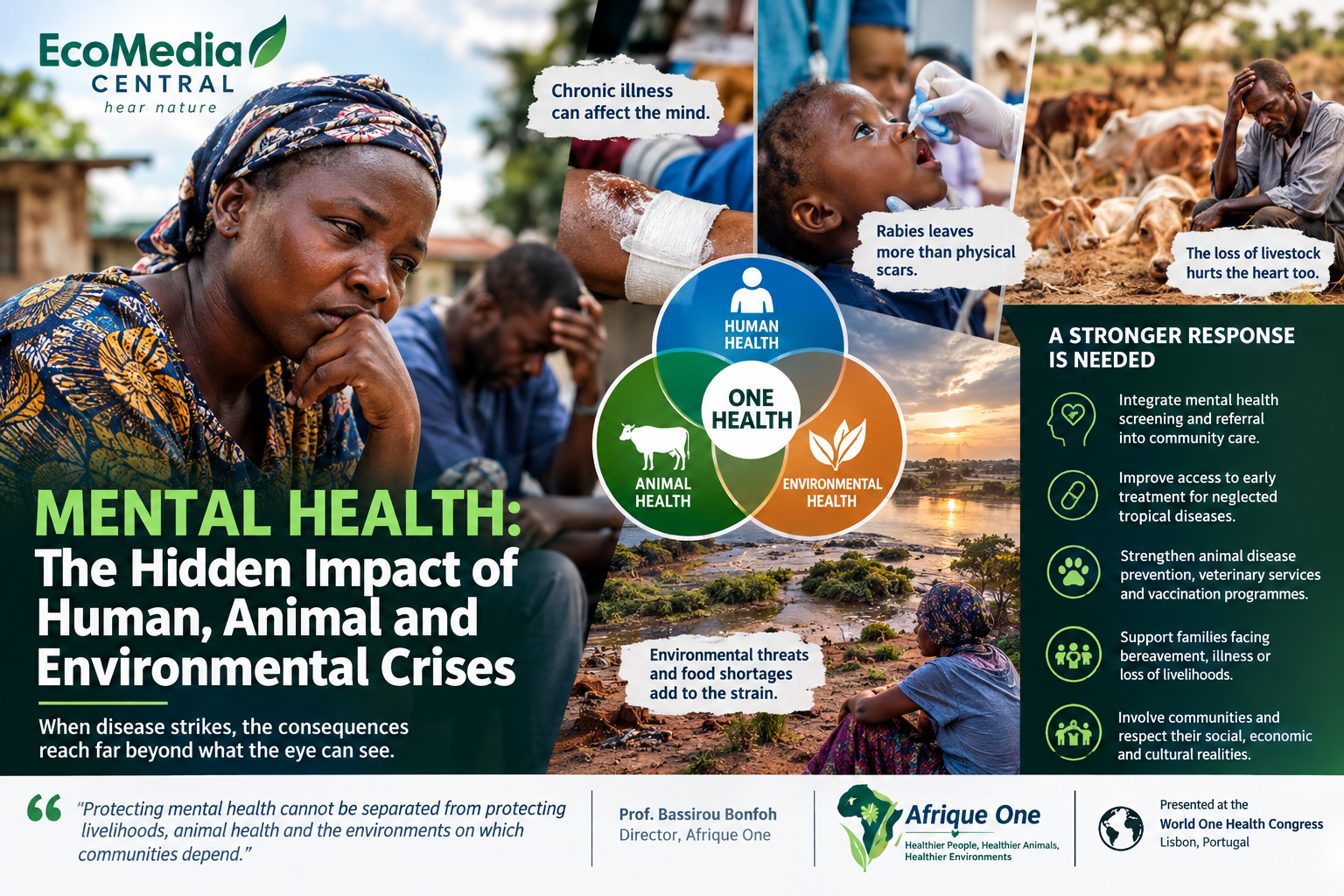
A chronic wound, the loss of livestock, food shortages or the death of a loved one can leave...


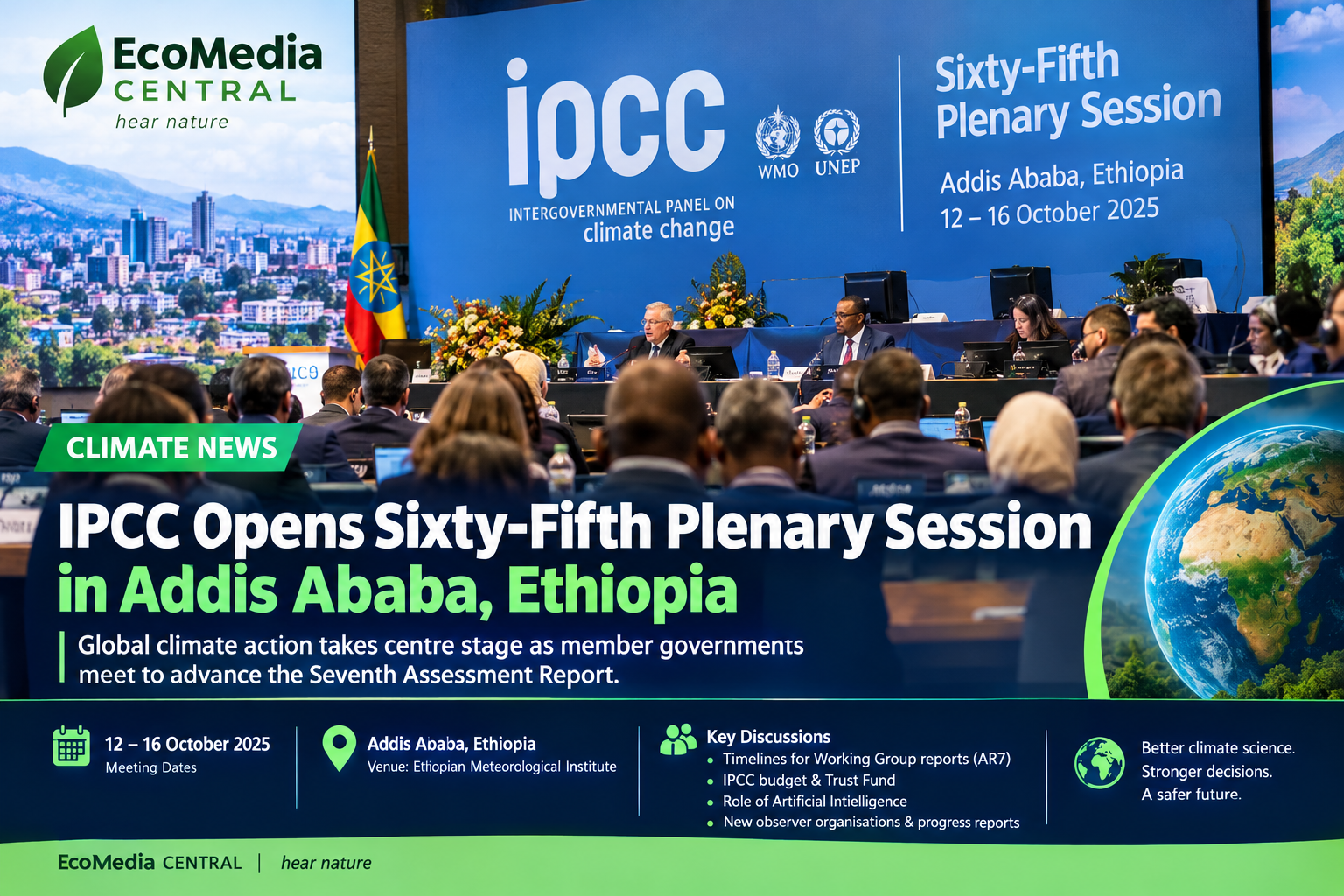
The world’s climate future is under discussion in Addis Ababa, Ethiopia, as the Intergovernmental Panel on Climate Change, IPCC, opens its 65th plenary session.
From October 12 to 16, representatives of member governments are meeting to address critical issues shaping the organisation’s Seventh Assessment Report — a major scientific assessment that will inform global climate action.
At the heart of the discussions is a crucial question: When will the three working groups complete their reports?
Although first drafts have been completed, the IPCC says a decision on the timeline remains a critical gap that needs to be resolved.
IPCC Chair Jim Skea says reaching an agreement is important for the authors, who volunteer their time and expertise to produce the scientific assessments.
The five-day meeting will also examine the role of artificial intelligence in IPCC processes, alongside the organisation’s budget, funding and the admission of new observer organisations.
The meeting opened at the newly inaugurated Ethiopian Meteorological Institute, with Ethiopia’s Minister of Energy and Water, Habtamu Itefa Geleta, welcoming delegates alongside the IPCC Chair.
Why does this matter?
Because decisions made during this assessment cycle could shape how governments understand climate risks and respond to challenges such as extreme heat, flooding, drought and food insecurity.
For countries like Nigeria, where millions of people depend on climate-sensitive agriculture and vulnerable communities face growing environmental pressures, credible climate science is essential for effective policies and preparedness.
As delegates meet in Addis Ababa, attention will be on whether they can agree on a clear path forward for the next major global climate assessment.

A chronic wound, the loss of livestock, food shortages or the death of a loved one can leave...
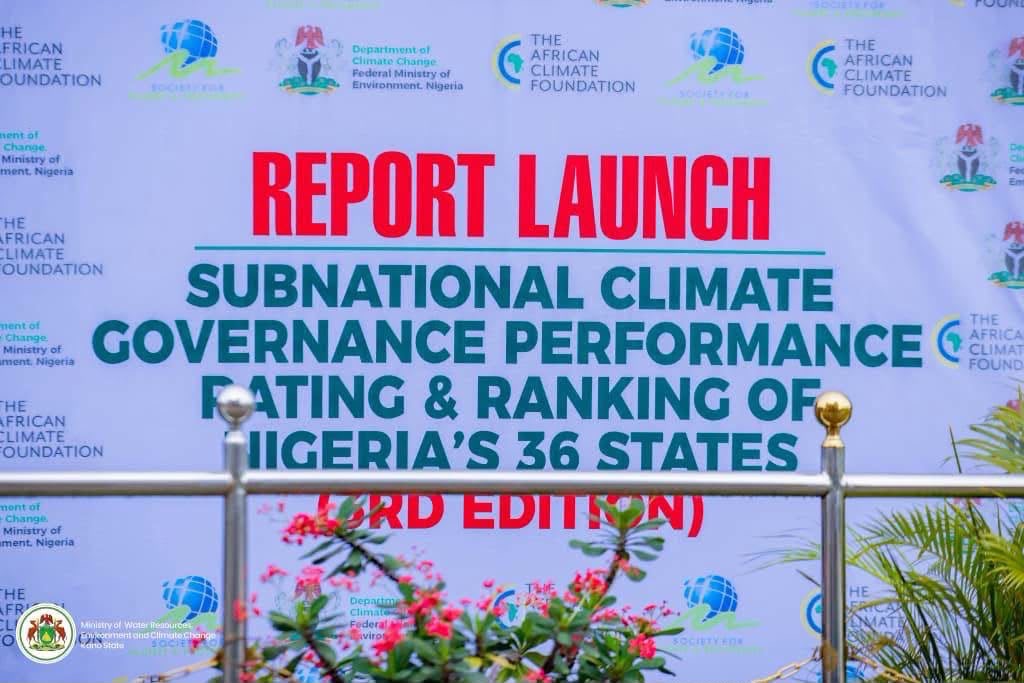
Kano State has moved up to third position among Nigeria’s 36 states in the 2026 Subnational Climate Governance Performance...
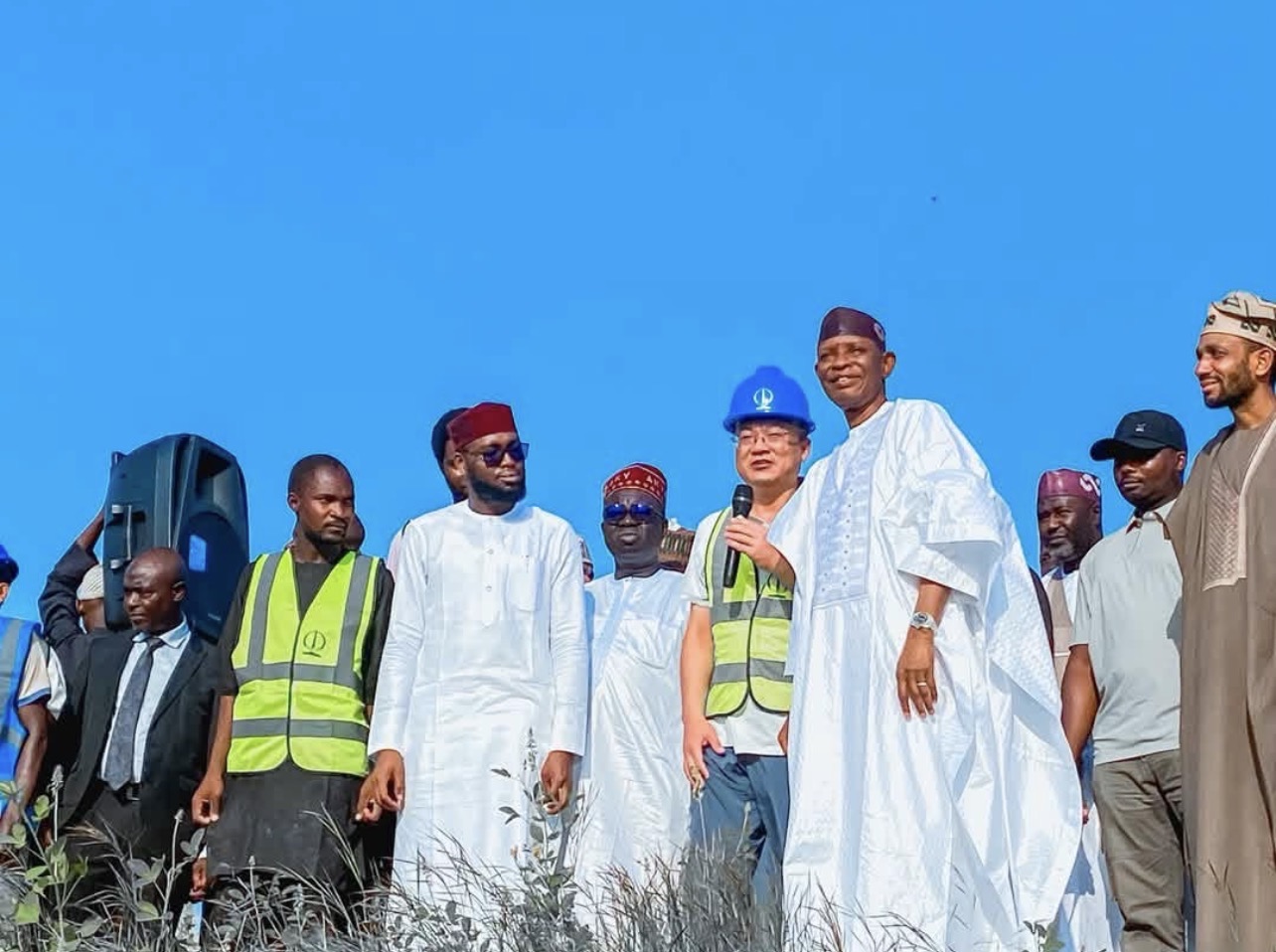
KANO, NIGERIA -Kano State Governor, Alhaji Abba Kabir Yusuf, has announced the revival of the Goron Dutse water facility...