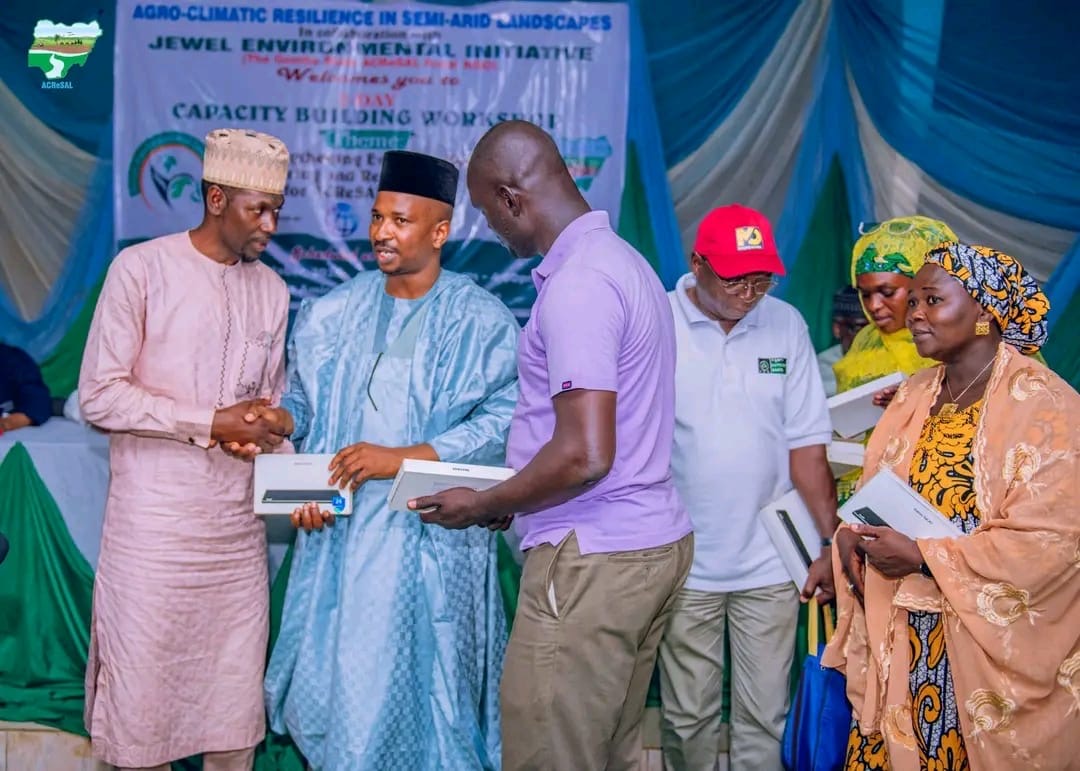
By Aliyu Gerengi, Gombe The Gombe State Government, under the leadership of , has distributed over 70 Samsung...


By Engr. Umar Hamza FNICE, FCIPMN, MNSE
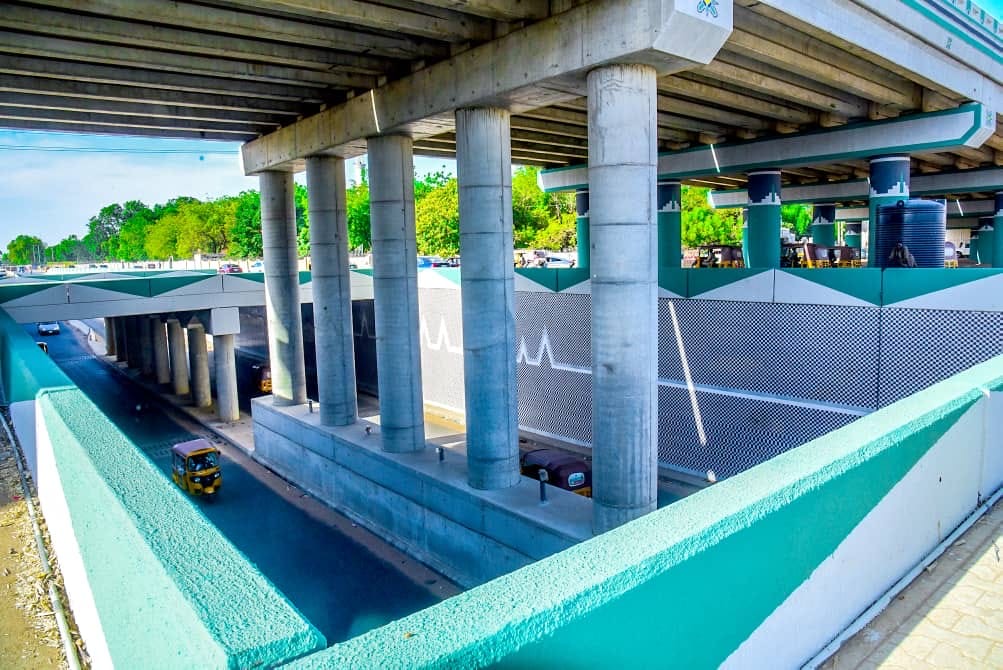
Infrastructure is often noticed only when it fails. Yet every day, roads, bridges, drainage systems and water networks quietly determine how people live, work, trade, travel and stay safe.
In Kano and across Northern Nigeria, the importance of infrastructure can be seen in the most ordinary parts of daily life: the availability of clean water, the journey to work or school, the movement of agricultural produce to markets, access to hospitals and the ability of communities to withstand heavy rainfall and flooding.
A paper prepared for the Nigerian Institution of Civil Engineers (NICE), Kano Chapter, argues that civil infrastructure does not merely support daily life—it helps define it.
Infrastructure Is More Than Roads and Buildings
A road does not produce food, but it determines whether farmers can move their harvest to market before it spoils. A bridge does not treat a patient, but it can determine whether an ambulance reaches a hospital in time. A water system does not raise a child, but it can determine whether that child has access to safe water.
Infrastructure works as a network. When one part fails, the consequences can extend far beyond the immediate location.
A blocked drainage channel can become a flood. Floodwater can damage roads. Damaged roads can increase transportation costs. Increased transportation costs can ultimately affect the price of food and other goods.
The paper therefore emphasises that infrastructure must be viewed as an interconnected system rather than as isolated projects.
Roads: The Cost of Congestion and Poor Maintenance
Kano occupies a critical position in Northern Nigeria’s commercial and transportation network. Major routes connect the city with Kaduna, Abuja, Katsina, Maiduguri and other parts of the region.
But infrastructure challenges are not limited to the condition of road surfaces. Congestion, refuse, roadside trading, parking and uncontrolled access points can significantly reduce the capacity of roads that have already been constructed.
The paper highlights metropolitan Kano as an example, noting that road space is increasingly affected by waste, stalls, parking and unplanned access. These problems do not simply inconvenience motorists; they increase travel time, affect businesses and place additional pressure on already limited road capacity.
Bridges, Drainage and the Challenge of Climate
For many rural communities, a small bridge or culvert can be the only reliable connection to a town, market or health facility.
The paper points to communities around Garko, Kibiya and Wudil, where failures of culverts and smaller bridges can leave communities almost cut off from surrounding areas. It also warns that intense rainfall, blocked drains and solid waste can place enormous pressure on hydraulic structures.
As rainfall patterns and urban development change, infrastructure must be designed and maintained with these realities in mind. A drainage structure designed for older conditions may not be sufficient when heavier rainfall combines with blocked waterways and increased urban surfaces.
When Waste Becomes an Engineering Problem
One of the strongest messages in the paper is that waste management cannot be separated from infrastructure.
In parts of metropolitan Kano, including areas around France Road and Kantin Kwari, waste placed on roads and drainage channels can obstruct water flow. When heavy rain arrives, blocked drains can contribute to flooding and standing water can damage road surfaces.
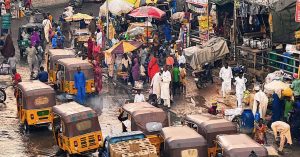
This creates a cycle: waste blocks drainage, rain causes flooding, flooding damages the pavement, and damaged roads become even more difficult to use.
The paper argues that waste in a drainage channel should therefore be treated as a hydraulic and infrastructure problem, not merely as a sanitation issue.
Urban Planning and Road Safety
The paper also raises concerns about roadside stalls, kiosks, parking and encroachment on road reservations and pedestrian spaces.
When these spaces are occupied, pedestrians may be forced into active traffic lanes, drainage inlets can become inaccessible, and drivers can lose important sight-lines at intersections.
Similarly, the paper calls for proper analysis before major changes are made to busy roundabouts and intersections. It argues that a road project should not be judged simply by how new or attractive it looks, but by whether it actually improves traffic capacity and safety.
Farm Centre and Zaria Road
One of the specific examples discussed is the relationship between Farm Centre GSM Market and Zaria Road.
The paper argues that uncontrolled access from the market onto Zaria Road creates additional conflict between market traffic, pedestrians and through traffic. It recommends controlling this access and directing market traffic through appropriate internal and collector roads so that Zaria Road can function more effectively as a major urban route.
Water: The Most Personal Infrastructure
Perhaps no infrastructure affects households more directly than water.
The paper highlights the continuing gap between water demand and supply in Greater Kano. It discusses the roles of Challawa, Tamburawa and Watari, as well as the importance of Tiga Dam and Challawa Gorge Dam to urban water supply, irrigation and wider water-resource management.
When reliable public water is unavailable, households turn to vendors, tankers and other alternatives. The consequences are not only financial; they also affect the amount of time families spend searching for and transporting water.
Infrastructure and the Environment Are Connected
The paper’s message is particularly relevant to environmental discussions.
Poor waste management, blocked drainage, flooding, road deterioration, unplanned development and inadequate maintenance are not separate problems. They interact with one another.
This means that building new infrastructure alone is not enough. Existing infrastructure must also be protected, maintained and properly managed.
The paper recommends climate-informed drainage design, regular desilting, stronger protection of road reservations, better waste collection around markets, proper traffic-capacity assessments and improved access control on classified highways.
The Real Measure of Infrastructure
Ultimately, infrastructure should be measured by how effectively it serves people.
A functioning water system means a household can depend on its tap. A properly maintained culvert means a farmer can reach the market after heavy rain. A well-designed intersection means traffic can move safely. A protected drainage system means rainwater has somewhere to go.
As the paper concludes, Kano’s infrastructure challenge is not simply about constructing more projects. It is also about inspection, maintenance, drainage, energy, spare parts, enforcement and responsible use of existing infrastructure.
For a rapidly growing city like Kano, the future of infrastructure must therefore be about more than construction. It must be about building systems that can withstand climate pressures, support economic activity and serve communities reliably for generations.
Infrastructure matters because it is already inside our everyday lives.

By Aliyu Gerengi, Gombe The Gombe State Government, under the leadership of , has distributed over 70 Samsung...
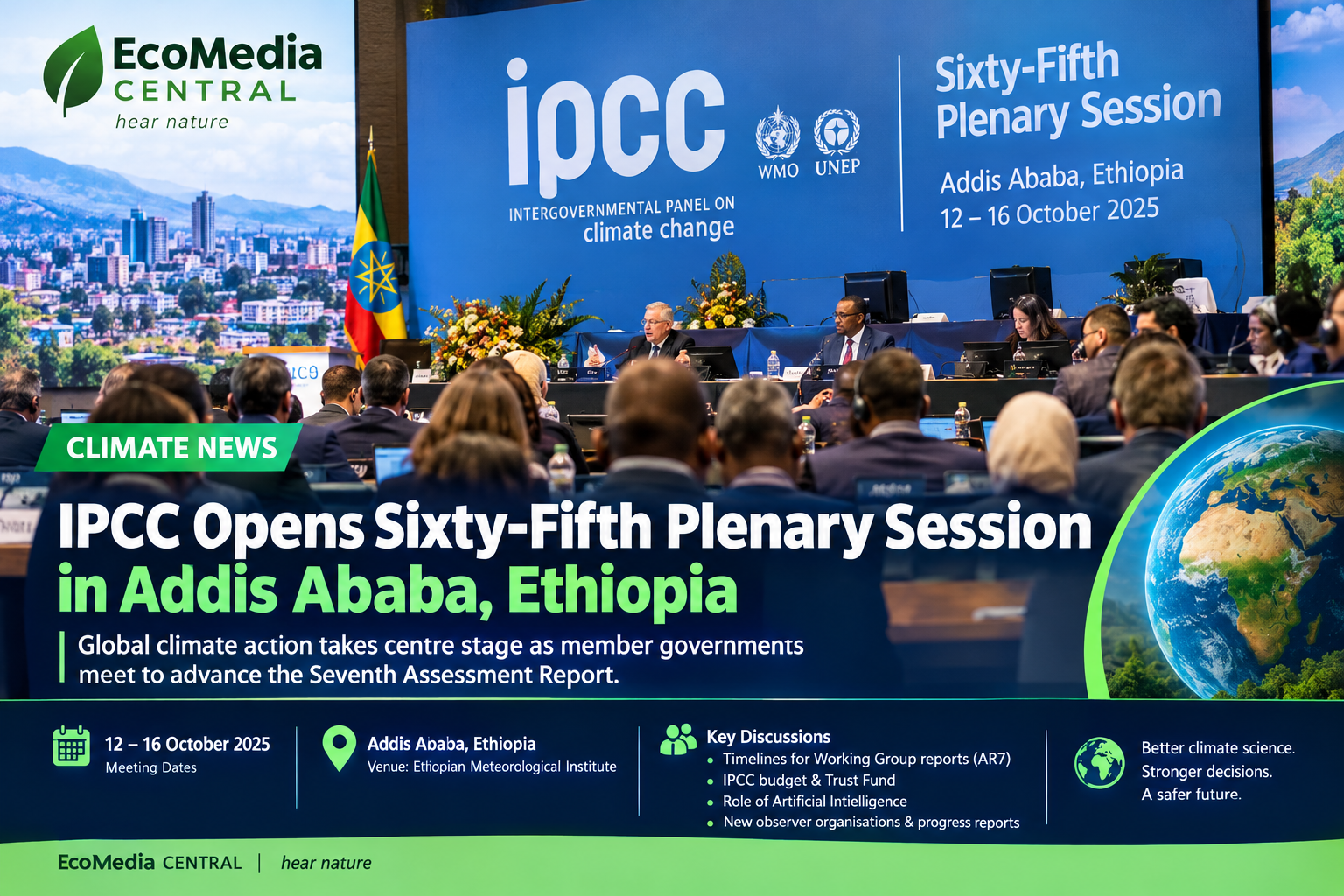
The world’s climate future is under discussion in Addis Ababa, Ethiopia, as the Intergovernmental Panel on Climate Change,...
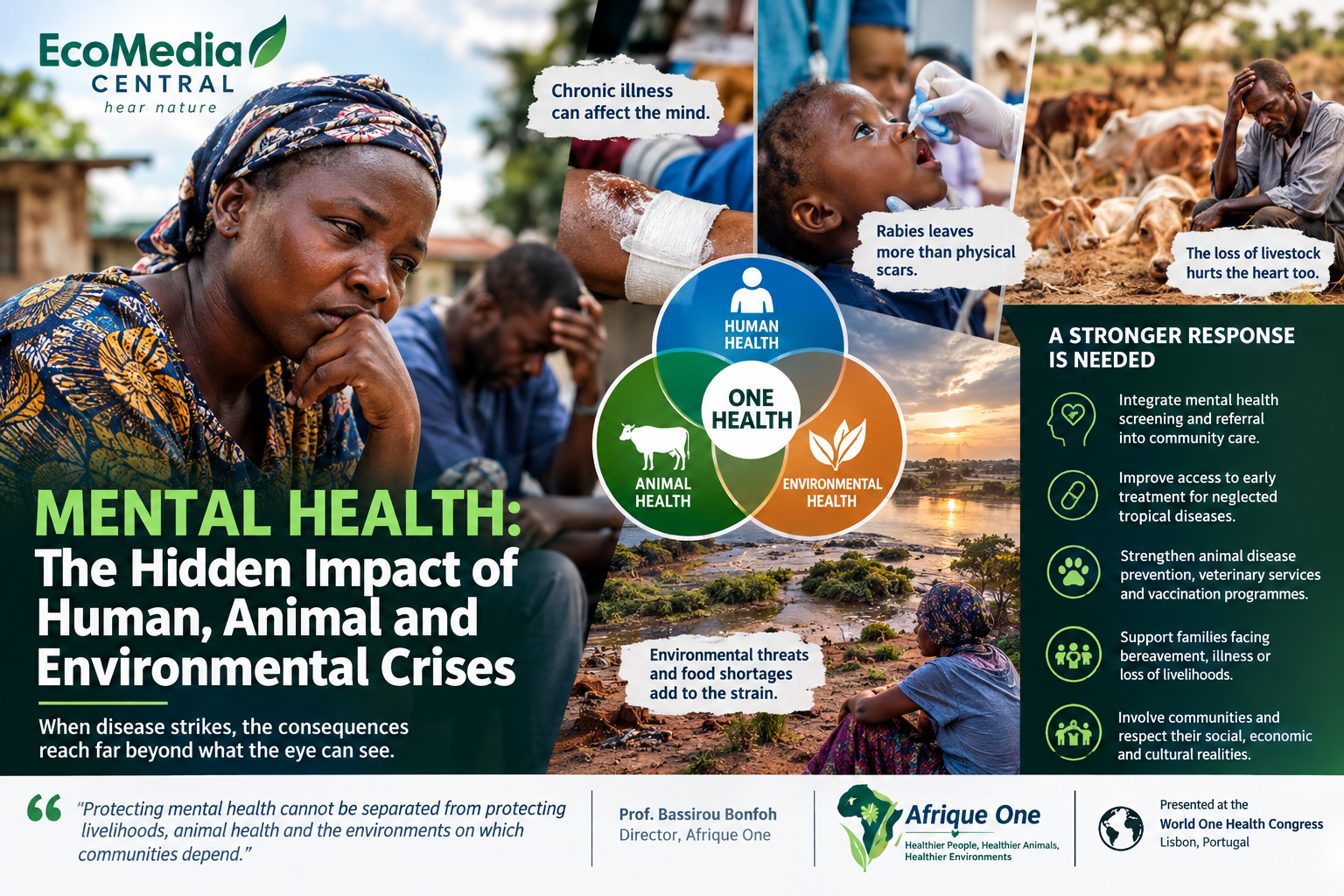
A chronic wound, the loss of livestock, food shortages or the death of a loved one can leave...