
By Aliyu Gerengi, Gombe The Gombe State Government, under the leadership of , has distributed over 70 Samsung...

New framework places greater responsibility on producers, consumers and recyclers as government targets plastic pollution in communities and waterways.
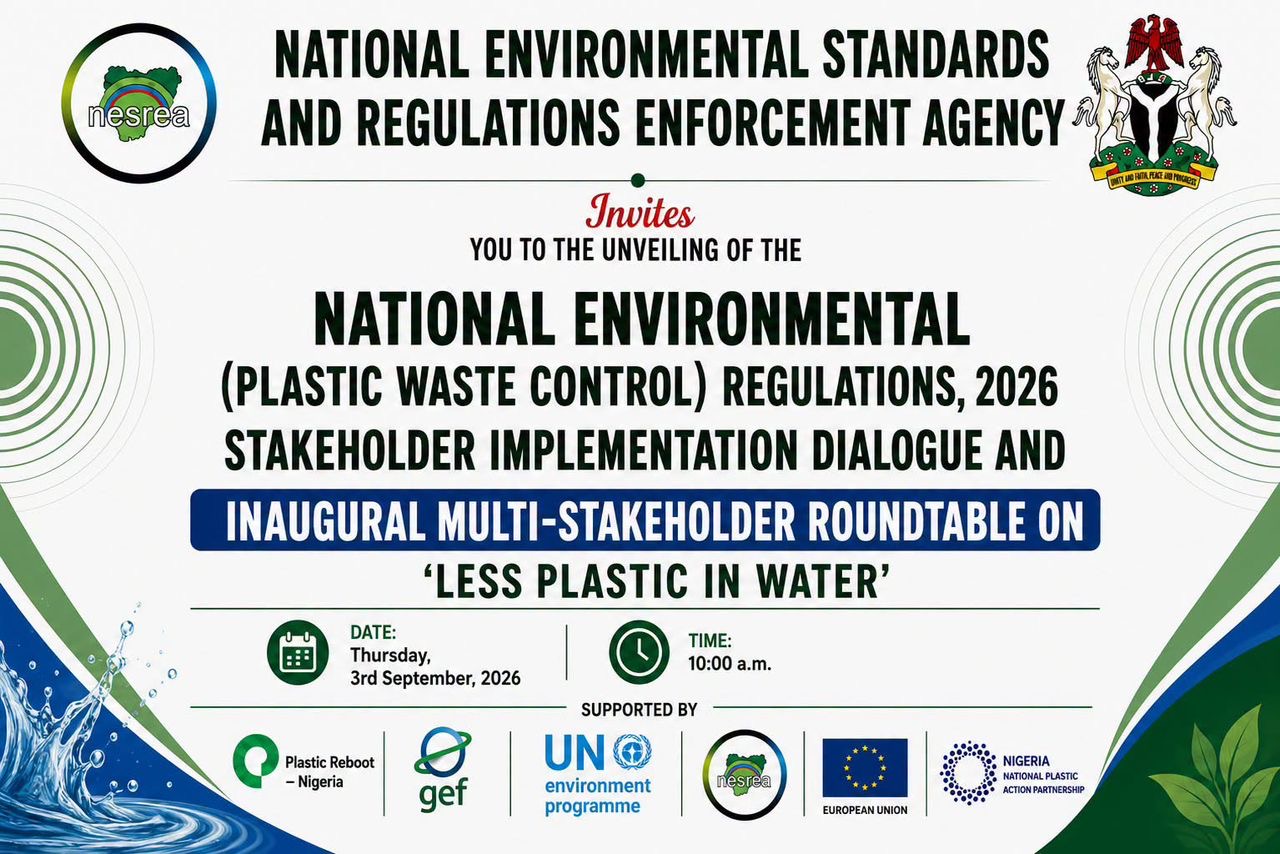
The Federal Government has unveiled the National Environmental (Plastic Waste Control) Regulations, 2026, introducing a new framework aimed at tackling Nigeria’s growing plastic waste crisis and promoting more sustainable management of plastic products across the country.
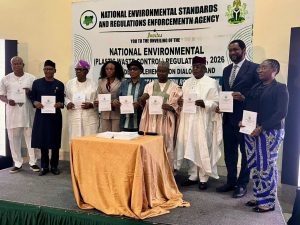
The Regulations were unveiled on Thursday in Abuja by the Honourable Minister of Environment, Mallam Balarabe Abbas Lawal, during a stakeholder event that also featured an Implementation Dialogue and the inaugural Multi-Stakeholder Roundtable on “Less Plastic in Water.”
Represented by the Permanent Secretary, Dr. Salihu Aminu Usman, the Minister said the Regulations provide a comprehensive and enforceable framework for managing plastics throughout their life cycle. He called on manufacturers and other businesses within the plastics value chain to design products with recyclability in mind, while urging consumers to adopt more responsible consumption practices and recyclers to invest in expanding recovery and recycling infrastructure.
“Today, we are drawing a line,” the Minister said, emphasizing that responsibility for plastic waste must no longer be left to a single group. He described the new Regulations as not only an environmental initiative but also an economic and employment opportunity for Nigerians. According to him, the real test will not be the unveiling of the Regulations but their effective implementation, enforcement and ability to produce measurable changes in communities.
The Director General of the National Environmental Standards and Regulations Enforcement Agency (NESREA), Prof. Innocent Barikor, stressed that successful implementation would depend on collaboration among government, industry, Producer Responsibility Organisations, recyclers, development partners, states and citizens. He said the effectiveness of the Regulations should ultimately be judged by practical outcomes, including less plastic entering waterways and communities, increased recovery of recyclable materials, stronger producer responsibility and the availability of sustainable alternatives to avoidable single-use plastics.
The Deputy Chairman of the House of Representatives Committee on Environment, Hon. Terseer Ugbor, highlighted the findings of public hearings and engagements conducted by the House Ad-Hoc Committee on Nigeria’s preparedness for the Single-Use Plastic Ban. He advocated a phased implementation approach supported by green fiscal incentives to protect national infrastructure while maintaining industrial stability. Meanwhile, the Chairman of the NESREA Governing Council, Hon. Garba Datti Mohammed, called for collective action and practical solutions suited to Nigeria’s economic and environmental realities.
The unveiling received goodwill from the European Union Delegation to Nigeria and ECOWAS, United Nations Environment Programme (UNEP), Manufacturers Association of Nigeria (MAN), UNIDO, Nigeria National Plastic Action Partnership, and the Food and Beverage Recycling Alliance. The organisations congratulated NESREA and pledged support for implementation. As Nigeria moves towards stronger plastic waste control, attention will now shift from policy to enforcement and measurable action, particularly in reducing plastic pollution in communities, drainage systems and waterways while strengthening the country’s recycling and circular economy.

By Aliyu Gerengi, Gombe The Gombe State Government, under the leadership of , has distributed over 70 Samsung...
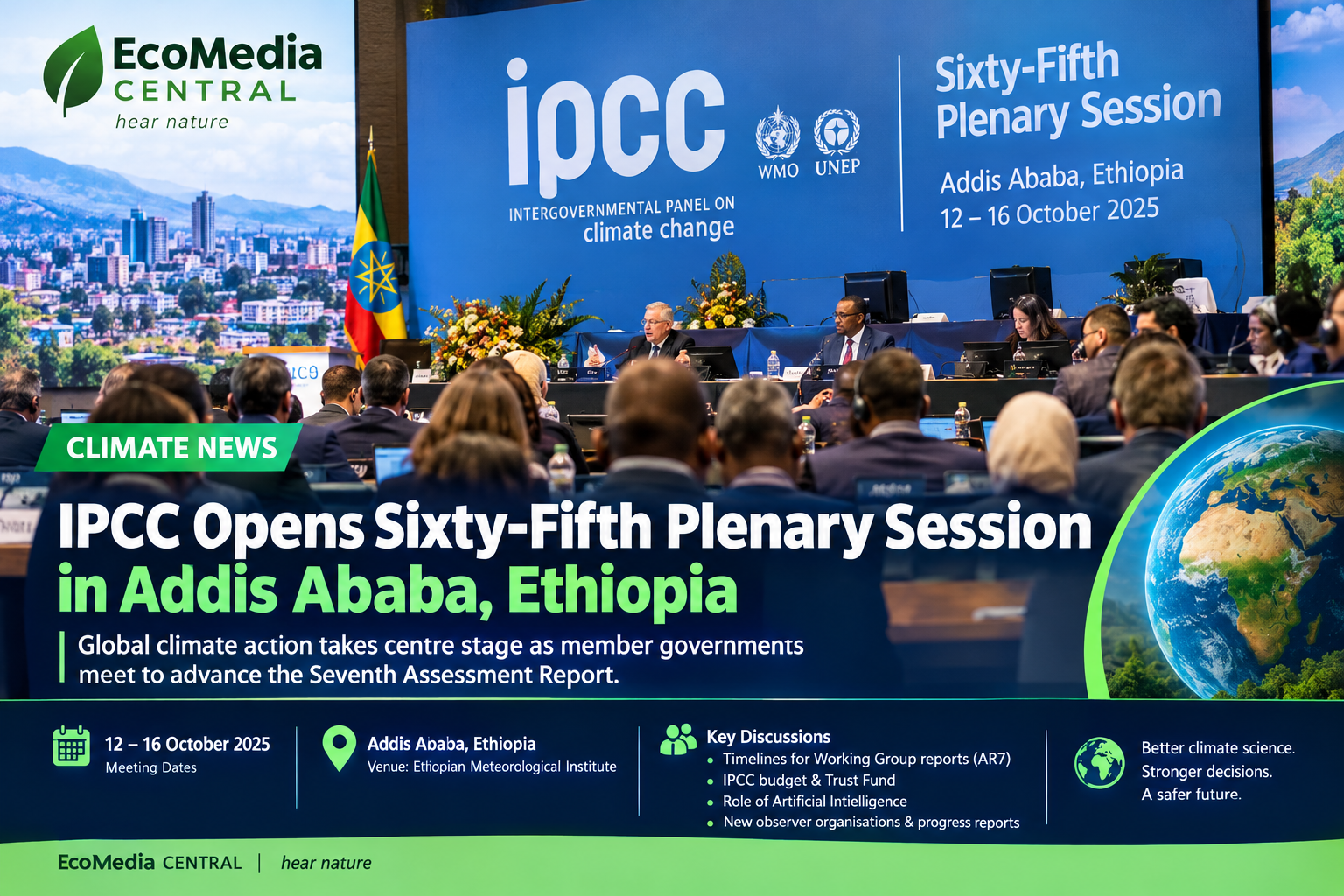
The world’s climate future is under discussion in Addis Ababa, Ethiopia, as the Intergovernmental Panel on Climate Change,...
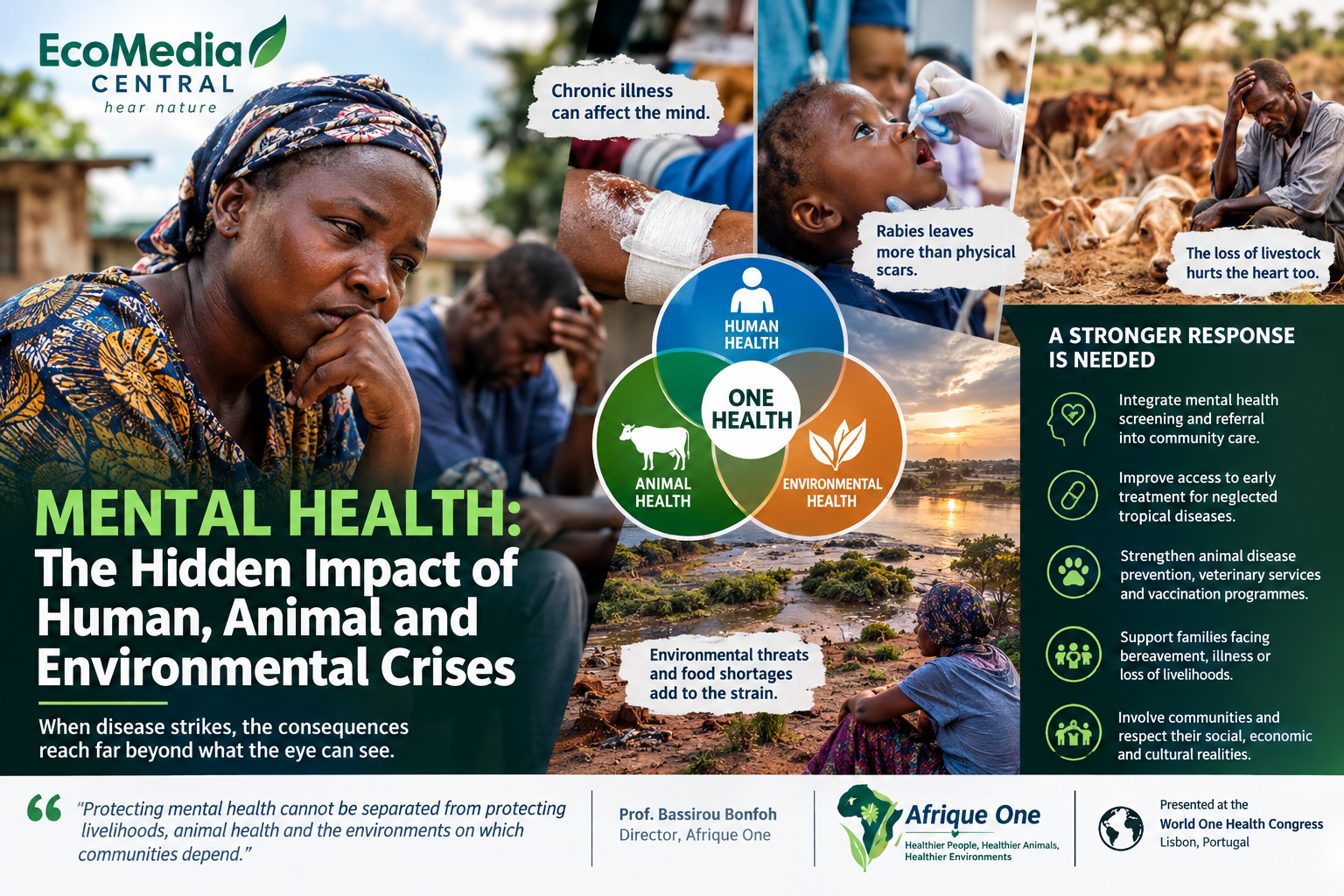
A chronic wound, the loss of livestock, food shortages or the death of a loved one can leave...
A very good idea, hope to see a very good result.plastic management/recycling will also boost the economic of the country.i.e material will no longer be wasted.
This is a very good initiative