
The world’s climate future is under discussion in Addis Ababa, Ethiopia, as the Intergovernmental Panel on Climate Change,...


Artificial intelligence is moving beyond laboratories and technology hubs in Africa, as women innovators increasingly turn emerging technologies into practical tools for solving some of the continent’s most persistent challenges. From faster disease diagnosis in Uganda to smarter potato production in Rwanda, their work shows how African innovation can use technology to respond directly to local needs and strengthen health and food systems.
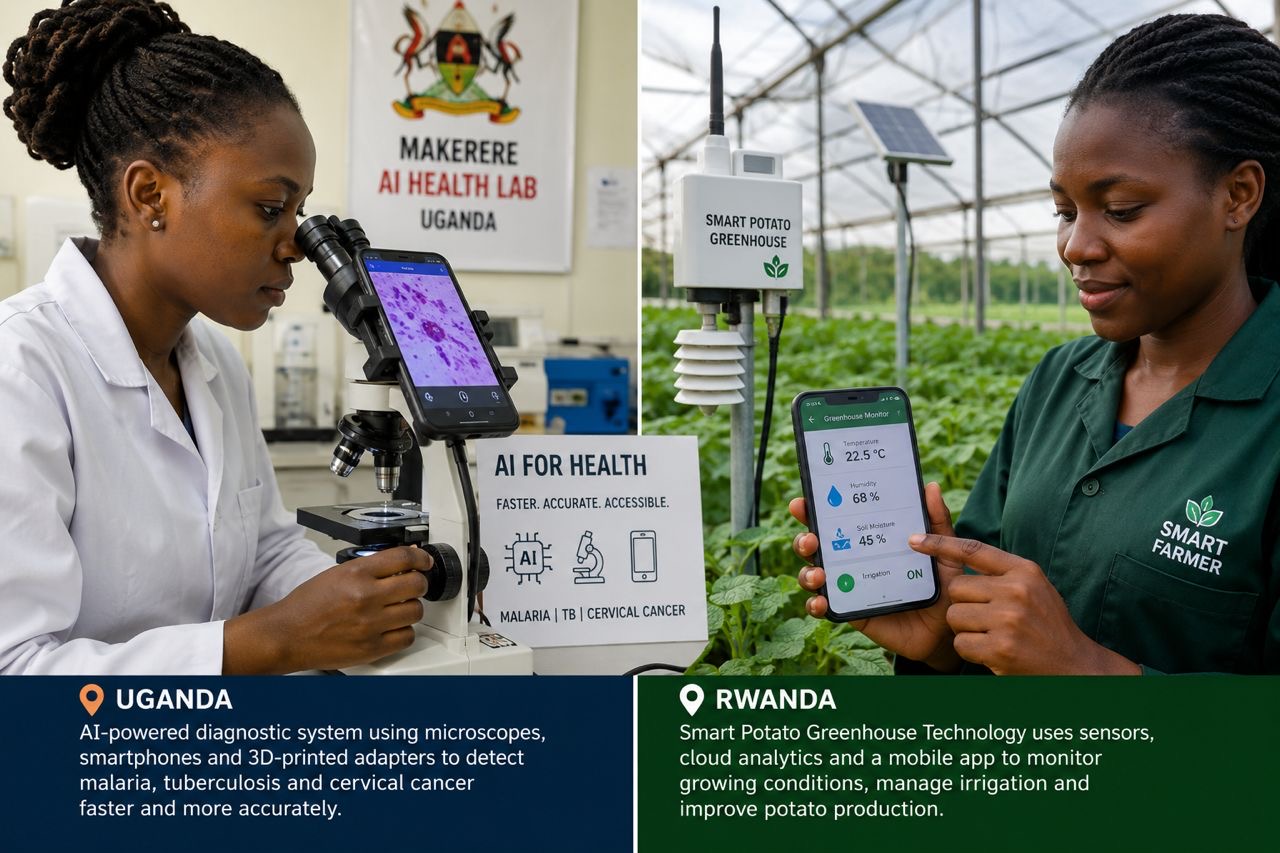
In Uganda, Dr. Rose Nakasi of the Makerere AI Health Lab is leading the development of an AI-powered diagnostic system designed to make the detection of diseases such as malaria, tuberculosis and cervical cancer faster and more consistent. The technology combines a microscope, smartphone and a 3D-printable adapter to capture images of patient samples, which are then analysed by AI models trained to identify disease-causing pathogens.
The results are already showing significant promise. Researchers report that the malaria model has achieved 92 per cent specificity, while the cervical cancer model has surpassed 94 per cent accuracy. The technology is also moving from innovation to application, with more than 150 laboratory technicians and 10 pathologists trained to use the system across more than 35 health facilities in Uganda.
In Rwanda, agroforester and innovator Clémence Uwamutarambirwa is applying smart technology to agriculture through a Smart Potato Greenhouse Technology. Sensors monitor temperature, humidity and soil moisture, while cloud-based analytics and a mobile application allow farmers and greenhouse managers to receive alerts, monitor production remotely and manage irrigation. The system also supports hydroponic farming, which can conserve water and protect crops from soil-borne pathogens.
Together, the two innovations demonstrate a growing African approach to technology: develop solutions for African realities rather than simply importing solutions designed elsewhere. But innovation cannot thrive on talent alone. Dr. Margaret Karembu, Director of ISAAA AfriCenter and Chair of Africa Women for Biosciences, stressed that women need stronger networks, mentorship, institutional support and opportunities to participate in emerging technologies, with men, policymakers and institutions also playing a critical role.
For Africa, the message is clear: artificial intelligence is not only about futuristic machines or global technology companies. It can become a practical instrument for saving time in diagnosis, improving farming decisions, conserving resources and strengthening livelihoods. As more African women enter the technology and innovation space, their work is helping redefine what African solutions can look like—and proving that the continent’s most powerful technological advances may begin with solving problems close to home.

The world’s climate future is under discussion in Addis Ababa, Ethiopia, as the Intergovernmental Panel on Climate Change,...

A chronic wound, the loss of livestock, food shortages or the death of a loved one can leave...
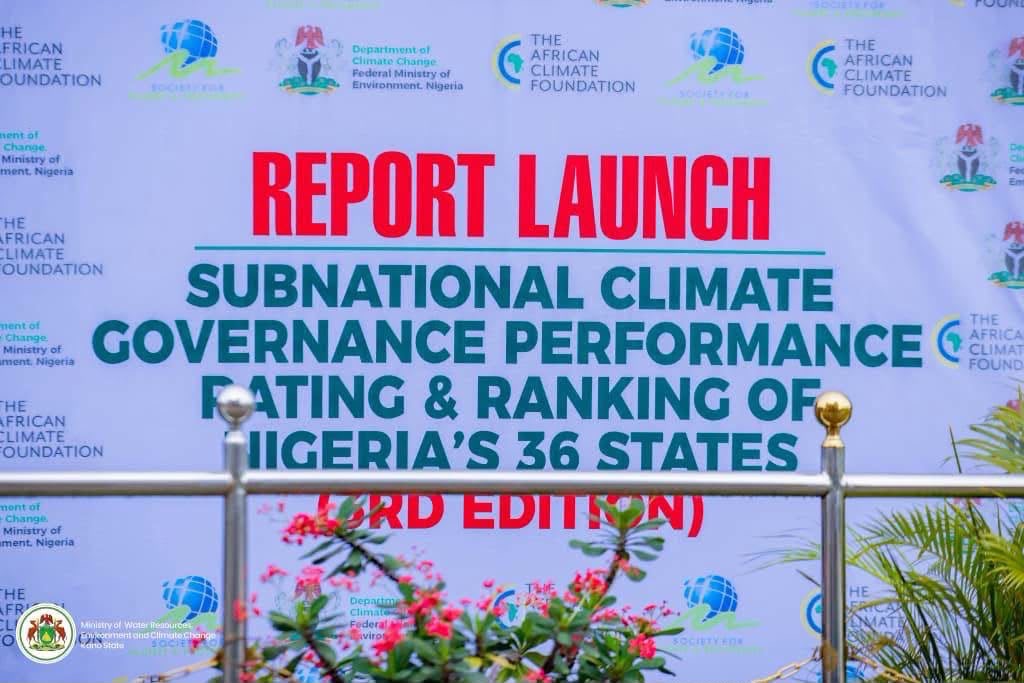
Kano State has moved up to third position among Nigeria’s 36 states in the 2026 Subnational Climate Governance Performance...