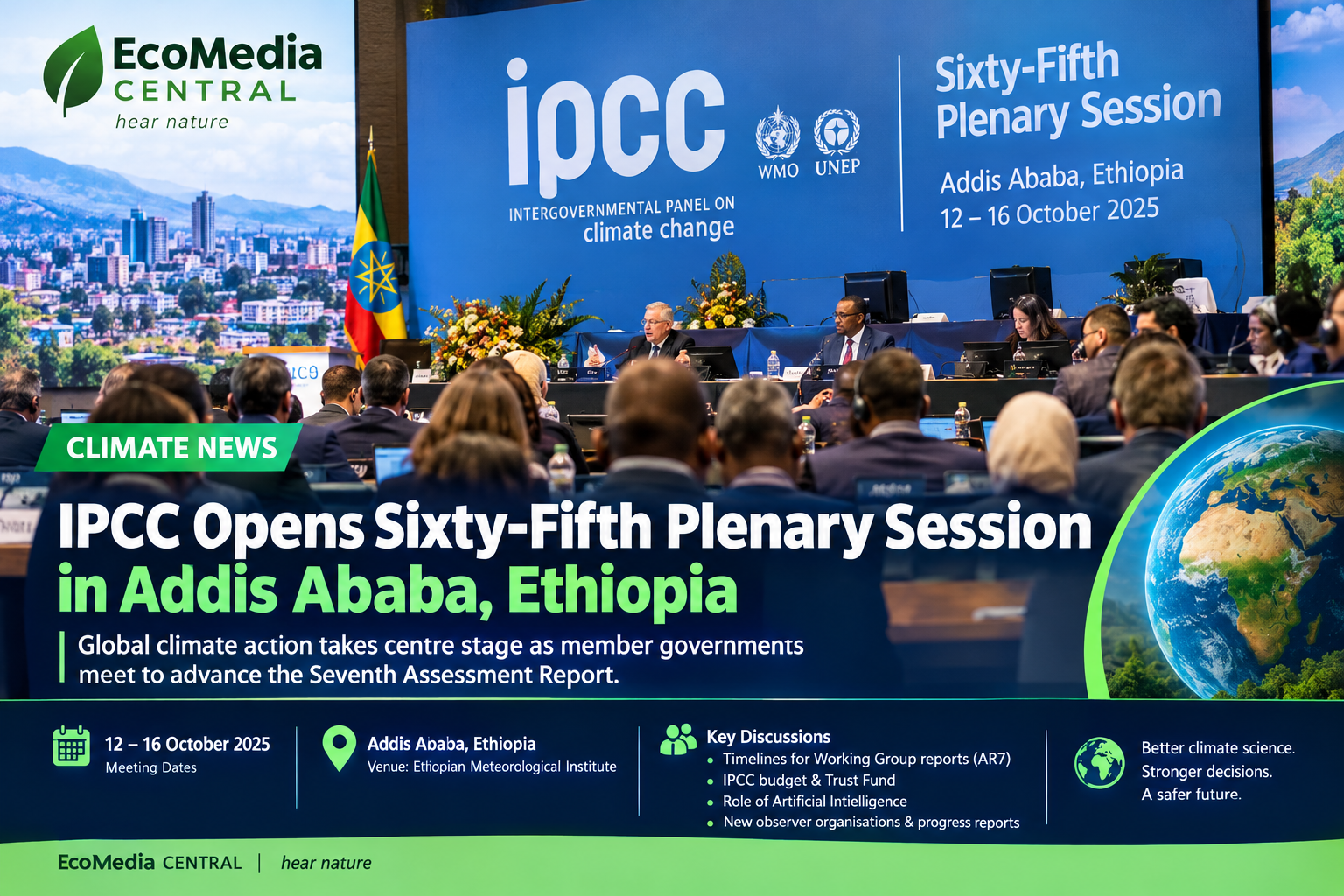
The world’s climate future is under discussion in Addis Ababa, Ethiopia, as the Intergovernmental Panel on Climate Change,...

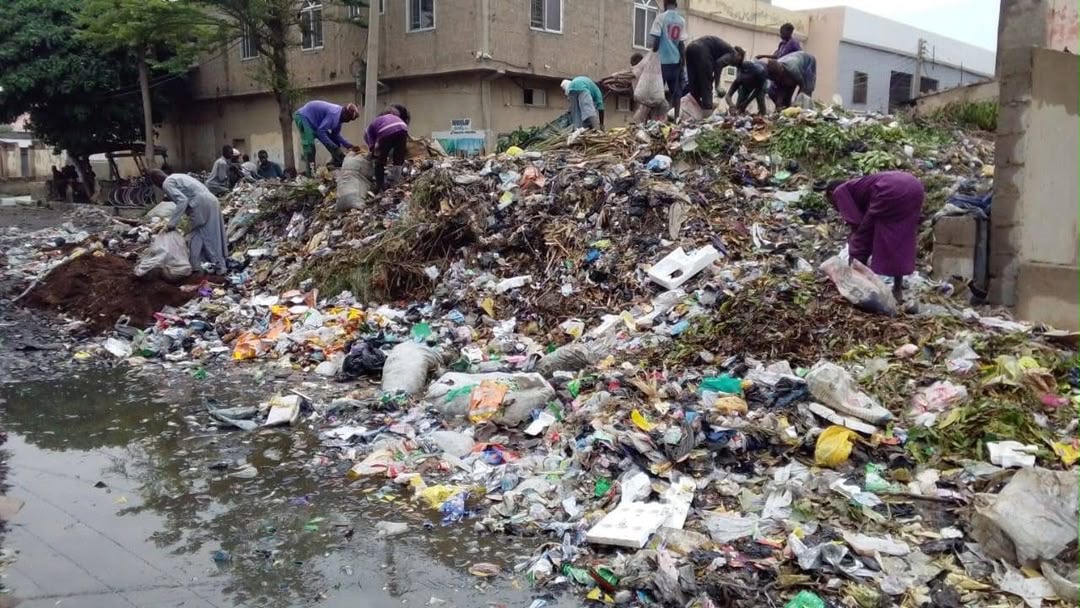
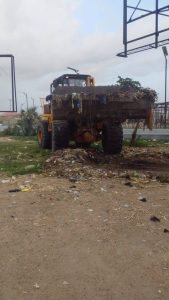
The Kano State Refuse Management and Sanitation Board (REMASAB) has intensified waste evacuation and environmental sanitation operations across strategic locations in Kano Metropolis, as part of renewed efforts to maintain a cleaner, healthier and safer environment.
The exercise, being carried out under the leadership of the Board’s Managing Director, Dr. Muhammad Salisu Khalil, reflects REMASAB’s continued commitment to tackling waste accumulation and environmental pollution across the state.
The latest operations targeted several locations requiring urgent environmental intervention, including Sheka Yar Kasuwa, Kofar Nassarawa Drainage, N/A Park opposite the residence of the Sarkin Fadar Kano and District Head of Tarauni, Alhaji Ado Kurawa, Kwalli Police Station, and the Civic Centre area by the Post Office. Sanitation personnel were deployed to evacuate accumulated refuse and restore environmental cleanliness, with additional locations also covered under the ongoing intervention.
Beyond removing refuse
from affected areas, REMASAB said the exercise is designed to prevent environmental degradation, reduce the risk of blocked drainage channels and flooding, improve public hygiene and restore the environmental integrity of communities across the metropolis.
However, waste evacuation alone cannot provide a lasting solution if the same locations are allowed to become illegal dumping points again. This raises an important public question: after these areas have been cleared, what measures will be put in place to ensure they remain clean?
Speaking on the operations, REMASAB Managing Director Dr. Muhammad Salisu Khalil reaffirmed that the Board would not relent in its efforts to keep Kano clean and environmentally safe. He stressed that sanitation is not a seasonal responsibility but a continuous public duty requiring sustainedgovernment action and the cooperation of residents.
He therefore urged market associations, business owners, transport operators, community leaders and residents to comply with environmental sanitation regulations.
Dr. Khalil particularly warned against indiscriminate waste disposal, describing it as a serious threat to public health, drainage systems and the environment. While residents have a responsibility to dispose of waste properly, there is also a need for continuous monitoring, visible waste collection arrangements, enforcement and appropriate action against repeated illegal dumping.
Without such measures, cleared spaces could quickly return to their previous condition, turning waste evacuation into a temporary intervention rather than a lasting environmental solution.
REMASAB said it will continue to strengthen its operational capacity, intensify waste evacuation and improve sanitation services across Kano State.
The Board’s ongoing efforts deserve public support, but sustained cleanliness will depend on what happens after the evacuation—regular monitoring, accessible waste collection points, enforcement and responsible behaviour from residents.
A clean Kano cannot be achieved through evacuation alone; it requires a system that prevents cleared locations from becoming dumping grounds again. Clean Kano is a collective responsibility and keeping it clean must continue long after the trucks leave.

The world’s climate future is under discussion in Addis Ababa, Ethiopia, as the Intergovernmental Panel on Climate Change,...
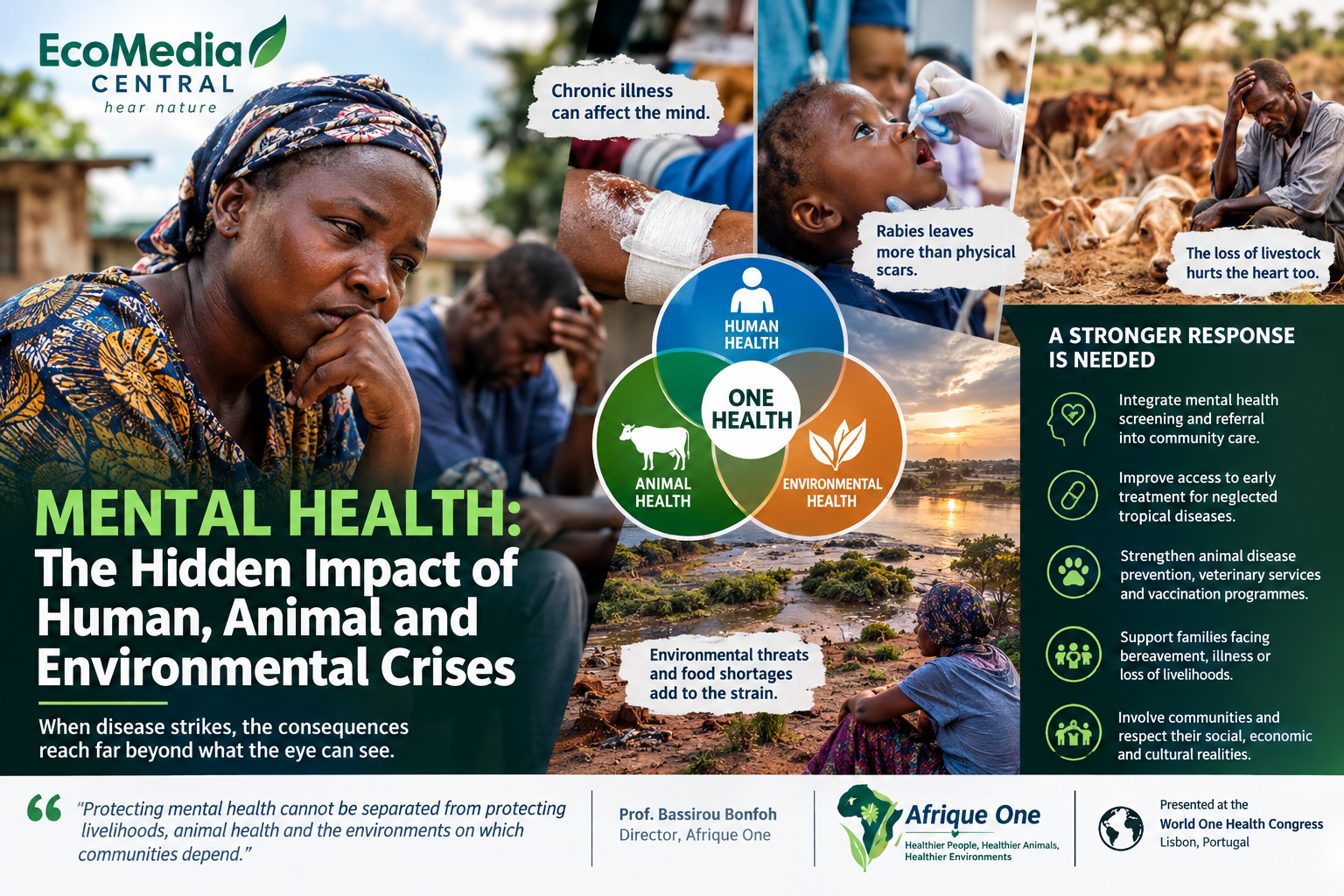
A chronic wound, the loss of livestock, food shortages or the death of a loved one can leave...
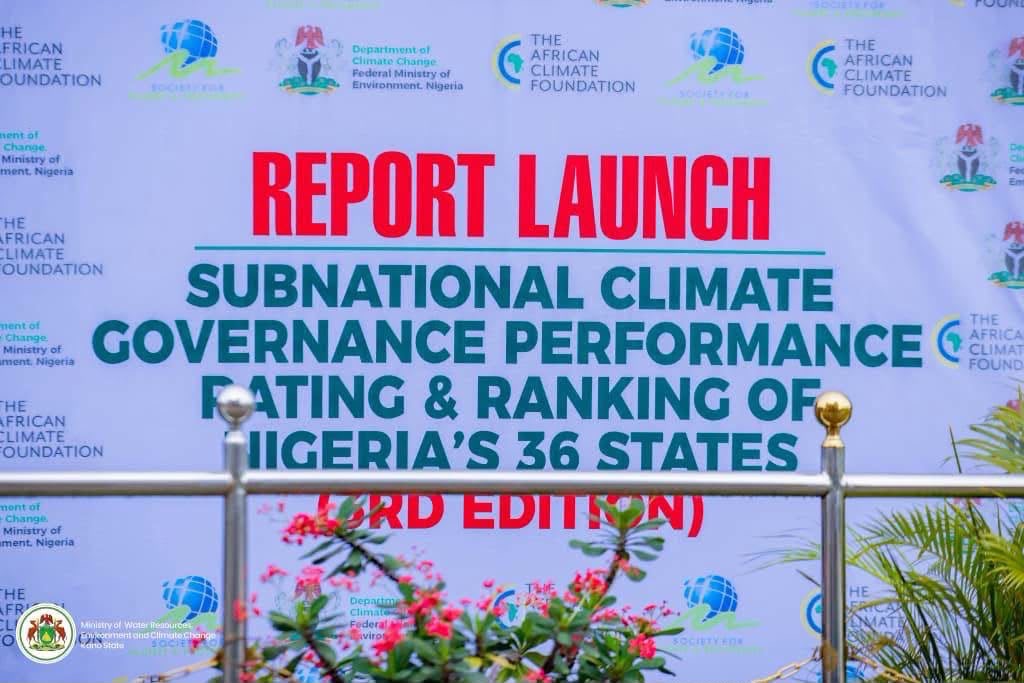
Kano State has moved up to third position among Nigeria’s 36 states in the 2026 Subnational Climate Governance Performance...