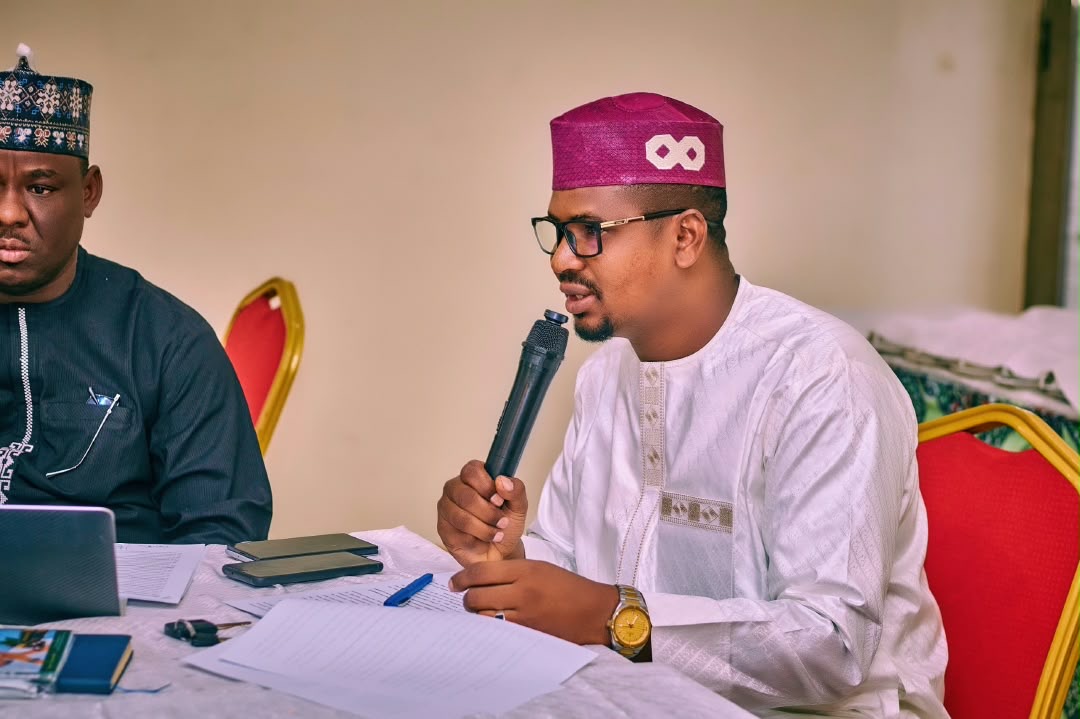
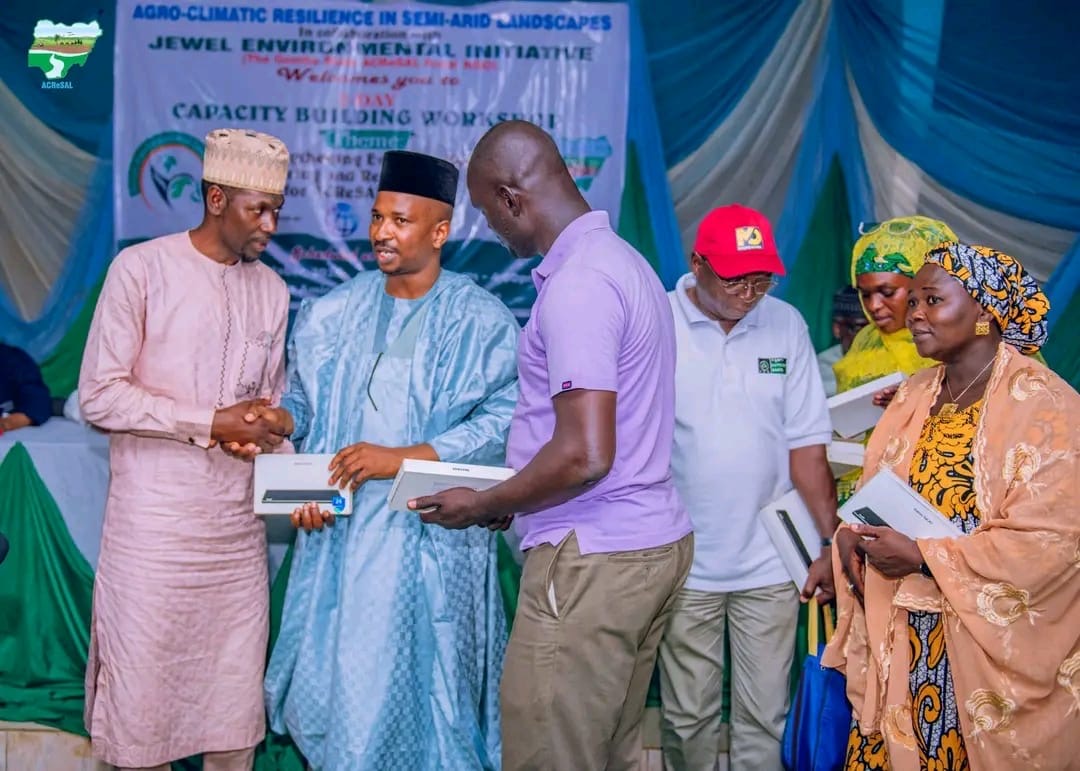
By Aliyu Gerengi, Gombe The Gombe State Government, under the leadership of , has distributed over 70 Samsung...

KADUNA, October 17, 2026 -The Kano State Refuse Management and Sanitation Board (REMASAB) has begun a two-day retreat in Kaduna to review and validate the state’s sanitation law, in a move aimed at strengthening environmental governance, improving waste management and attracting private-sector investment.
The retreat, held at BAFRA International Hotel, focuses on reviewing the Kano State Refuse Management and Sanitation Board Law No. 7 of 2003 to ensure it addresses current environmental challenges and the growing demands of sustainable waste management.
The proposed reforms are expected to strengthen REMASAB’s legal powers, improve enforcement of sanitation regulations and create a more effective framework for managing waste across Kano State.

Speaking at the retreat, the Kano State Commissioner for Water Resources, Environment and Climate Change, Dr. Dahir Muhammad Hashim, disclosed that the state government was considering renaming the Board to reflect its expanding responsibilities beyond conventional refuse management.
He stressed the need to update existing environmental sanitation laws to reflect present-day realities, international best practices and emerging environmental concerns.
The Commissioner also highlighted the importance of public awareness and collective responsibility, noting that achieving lasting environmental cleanliness requires coordinated efforts by government institutions, businesses, communities and individual residents.
Meanwhile, Hon. Musa Ali Kachako, member representing Takai Constituency in the Kano State House of Assembly and Chairman of the House Committee on Environment, assured REMASAB of the Assembly’s commitment to providing the legislative support required to modernise the law.
The Managing Director of REMASAB, Dr. Muhammad S. Khalil, described the review as an opportunity to reposition the Board for greater operational efficiency, innovation and sustainable environmental management.
According to him, a modern legal framework could strengthen sanitation operations, improve regulatory compliance, promote recycling and resource recovery, and create new investment opportunities for private-sector operators in Kano’s waste management industry.
Beyond Sanitation: The Need for Effective Implementation
The proposed review comes amid growing demands for more effective waste management systems and stronger environmental protection measures. For Kano State, the success of the reform will depend not only on updating the law but also on how effectively its provisions are implemented.
Clear enforcement mechanisms, adequate institutional capacity, public participation and accountability will be essential to translating the proposed reforms into measurable improvements in environmental sanitation.
Greater private-sector participation could also help expand recycling, improve waste collection and encourage the recovery of valuable materials from refuse, provided appropriate regulations and investment frameworks are established.
The retreat is expected to produce recommendations aimed at strengthening REMASAB’s statutory mandate, improving enforcement, encouraging private-sector participation and establishing a more effective framework for addressing Kano State’s sanitation needs.
The initiative aligns with the administration of Governor Abba Kabir Yusuf’s stated vision of strengthening public institutions and building a cleaner, healthier and more sustainable Kano State.
As discussions on the revised law continue, attention will turn to the final recommendations, the legislative process and the practical measures required to ensure that the proposed reforms deliver lasting benefits to residents.
For Kano, the ultimate test will be whether a stronger sanitation law translates into cleaner streets, more efficient waste collection, better recycling systems and greater accountability in environmental management.

By Aliyu Gerengi, Gombe The Gombe State Government, under the leadership of , has distributed over 70 Samsung...
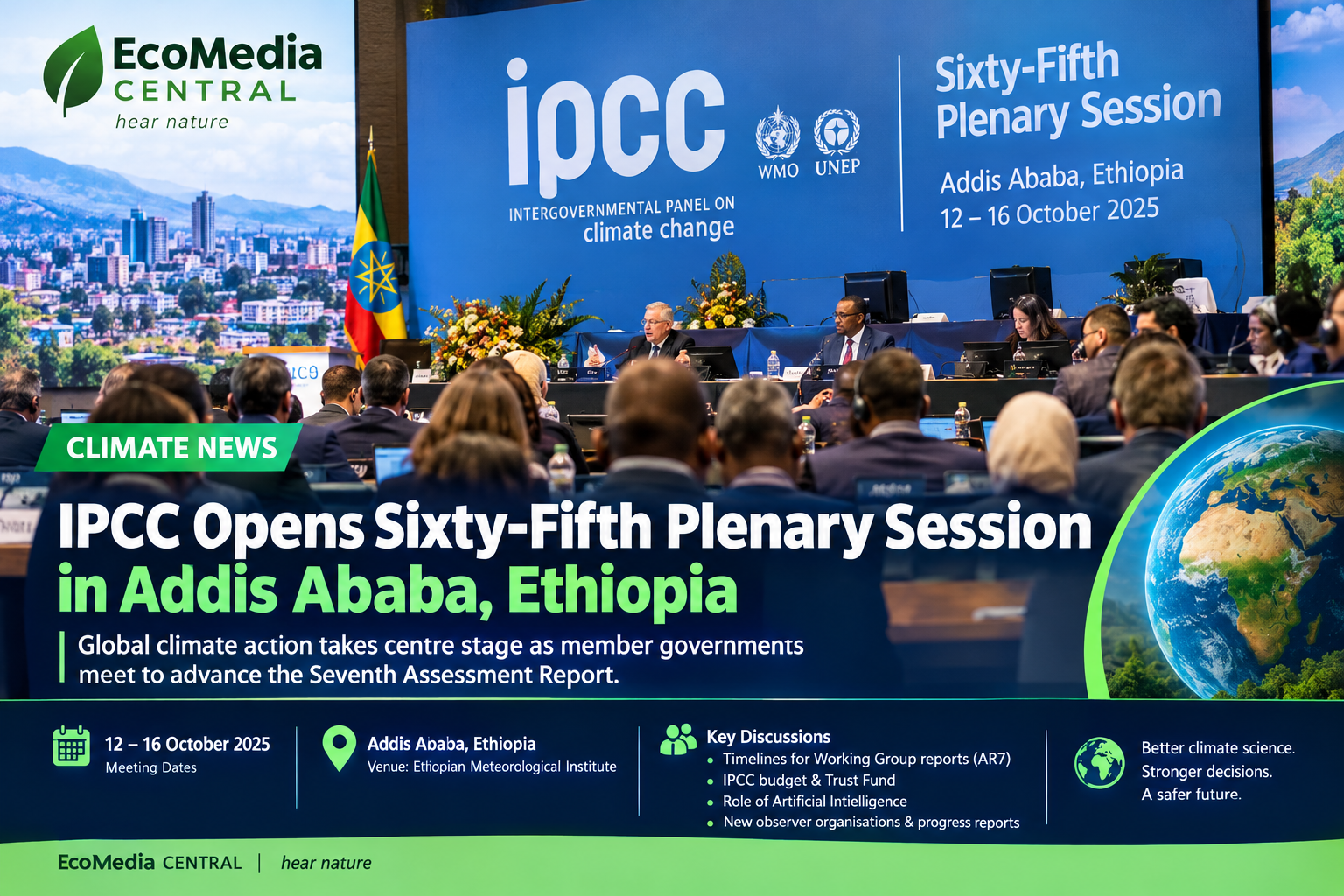
The world’s climate future is under discussion in Addis Ababa, Ethiopia, as the Intergovernmental Panel on Climate Change,...
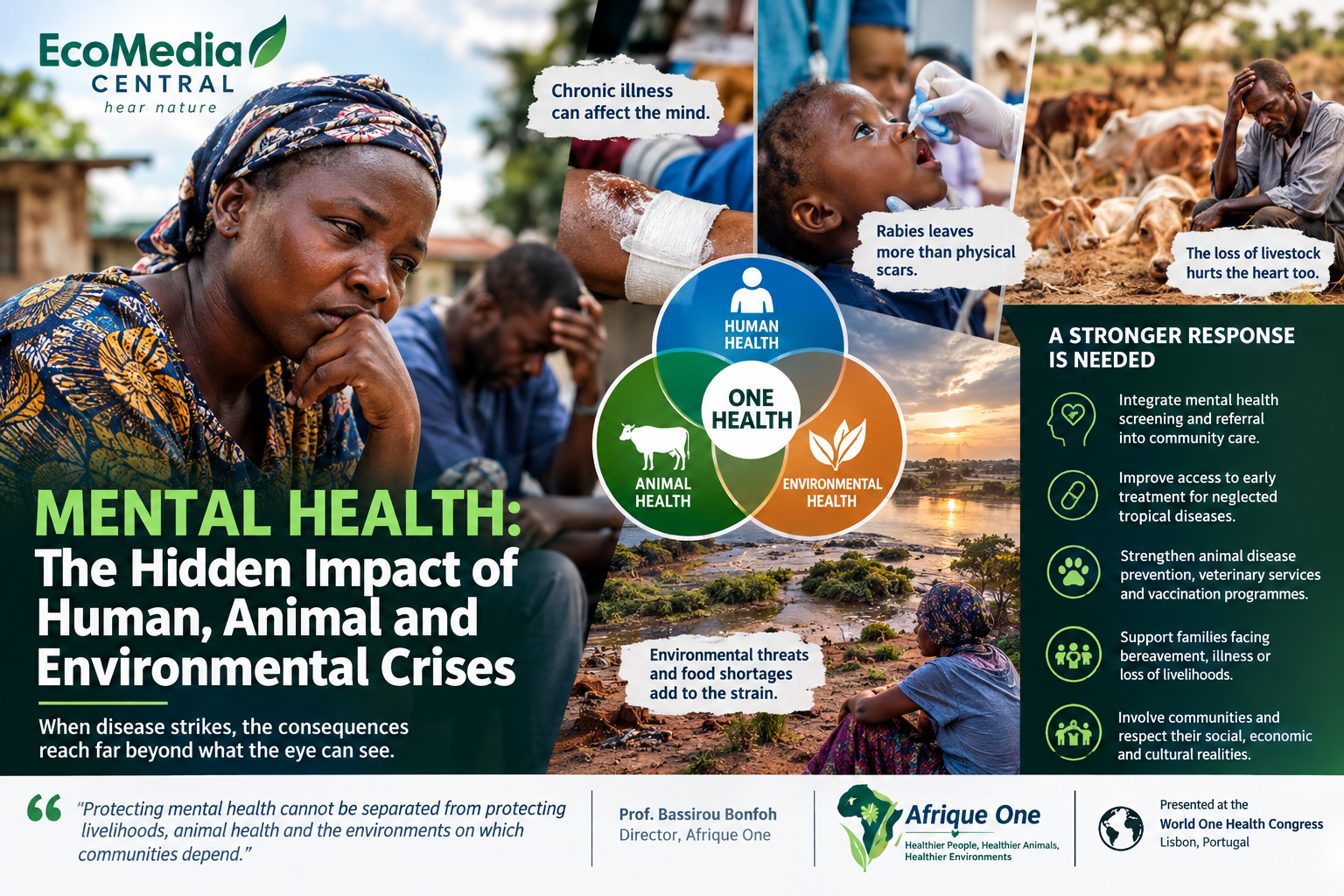
A chronic wound, the loss of livestock, food shortages or the death of a loved one can leave...