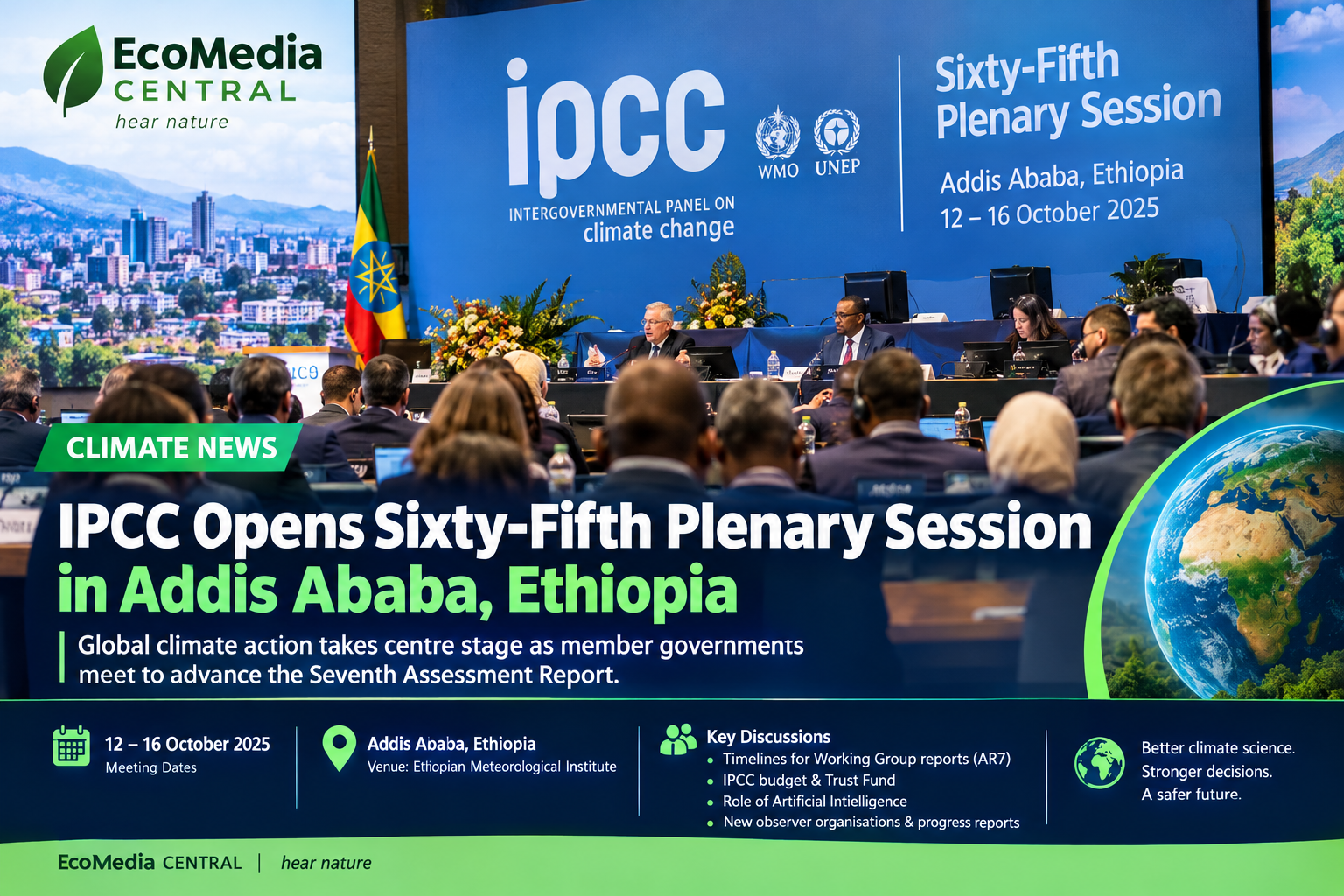
The world’s climate future is under discussion in Addis Ababa, Ethiopia, as the Intergovernmental Panel on Climate Change,...


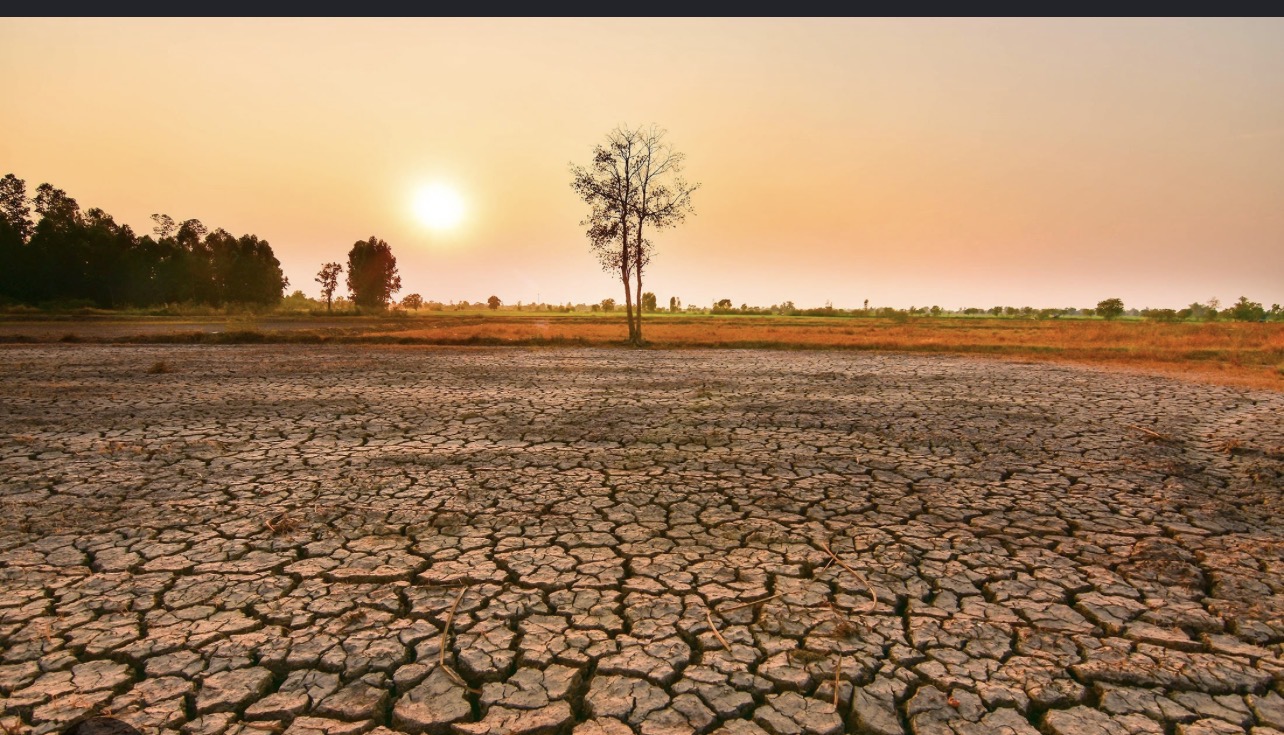
A powerful El Niño climate pattern is raising concerns over extreme heat, with a new analysis estimating that as many as 451,000 additional heat-related deaths could occur worldwide between June 2026 and February 2027.
The analysis by the Climate Impact Lab at the University of Chicago links the projected deaths to the combination of El Niño-driven warming and human-caused climate change.
Researchers examined the relationship between temperature and mortality across more than 24,000 regions around the world. They estimate that El Niño could increase the number of extremely hot days by about 44% compared with normal years.
Nigeria faces the highest projected toll
Nigeria is identified as the country with the highest projected number of additional heat-related deaths, at about 31,400 between September 2026 and February 2027. Countries including Indonesia, Sudan, India and Brazil are also expected to face significant impacts.
Across the Sahel, including Nigeria, Niger, Chad and Sudan, the analysis projects about 66,800 additional heat-related deaths during the six-month period.
But scientists caution that the figures should not be interpreted as a confirmed death toll. CNN reports that the study has not yet been peer-reviewed, and researchers describe the numbers as a model showing the scale of potential risk rather than a precise prediction.
The danger is not limited to extreme heat. El Niño can also influence drought, wildfires, flooding and rainfall patterns, creating additional risks for food production, livelihoods and public health.
For Nigeria, the warning comes at a time when communities across the country are already dealing with rising temperatures and increasing climate related pressures.
Experts say governments can reduce the risks by strengthening heat early warning systems, public health preparedness, access to water and cooling spaces, and climate adaptation measures.
The message from scientists is not simply about the number of possible deaths. It is about the need to prepare before extreme heat becomes even more dangerous.

The world’s climate future is under discussion in Addis Ababa, Ethiopia, as the Intergovernmental Panel on Climate Change,...
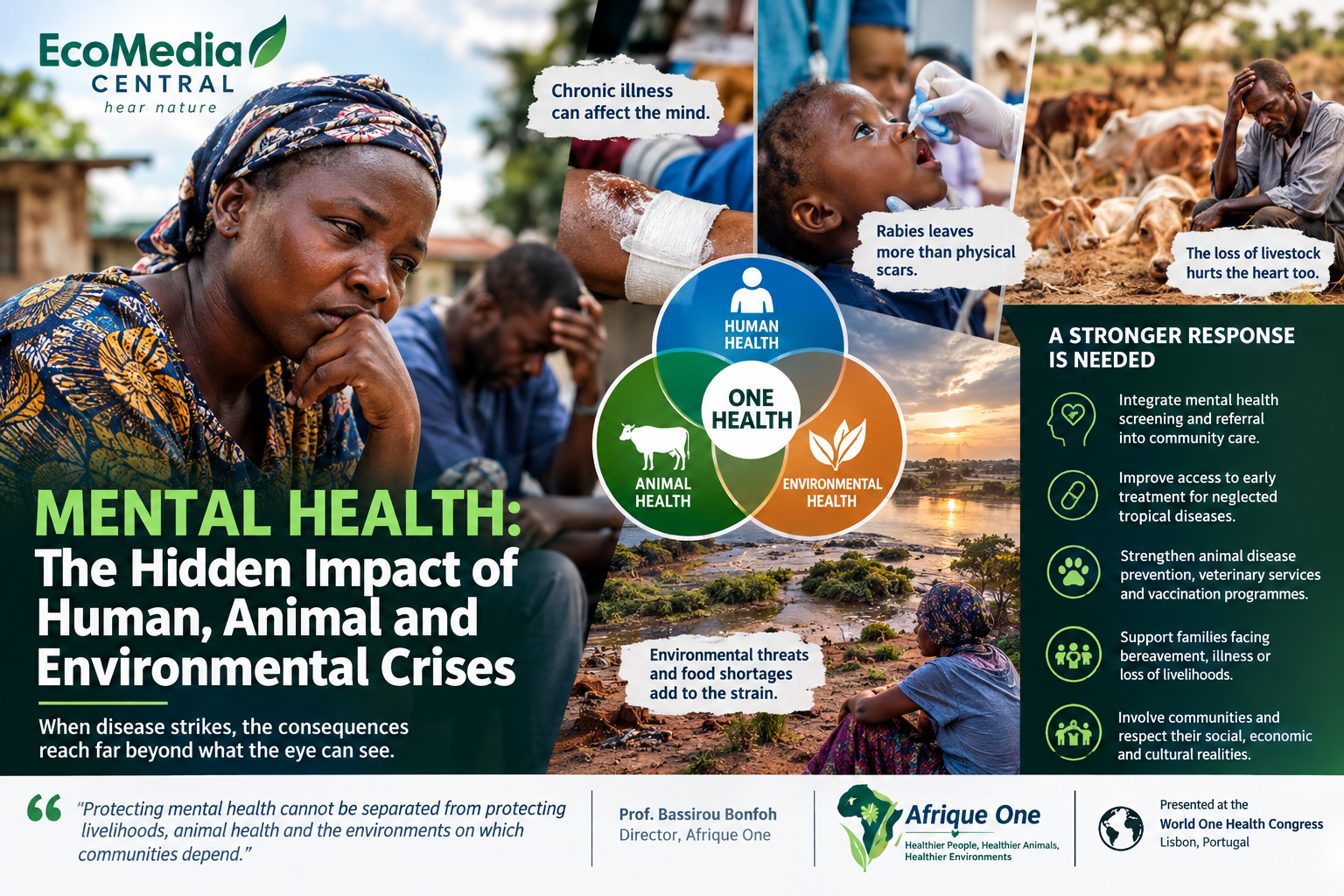
A chronic wound, the loss of livestock, food shortages or the death of a loved one can leave...
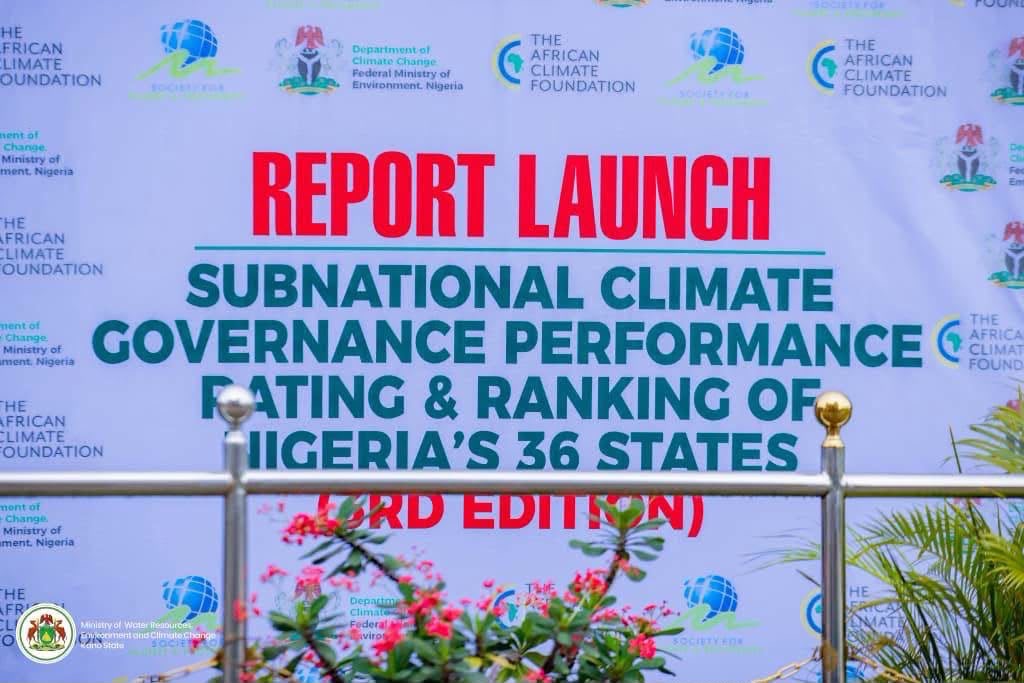
Kano State has moved up to third position among Nigeria’s 36 states in the 2026 Subnational Climate Governance Performance...