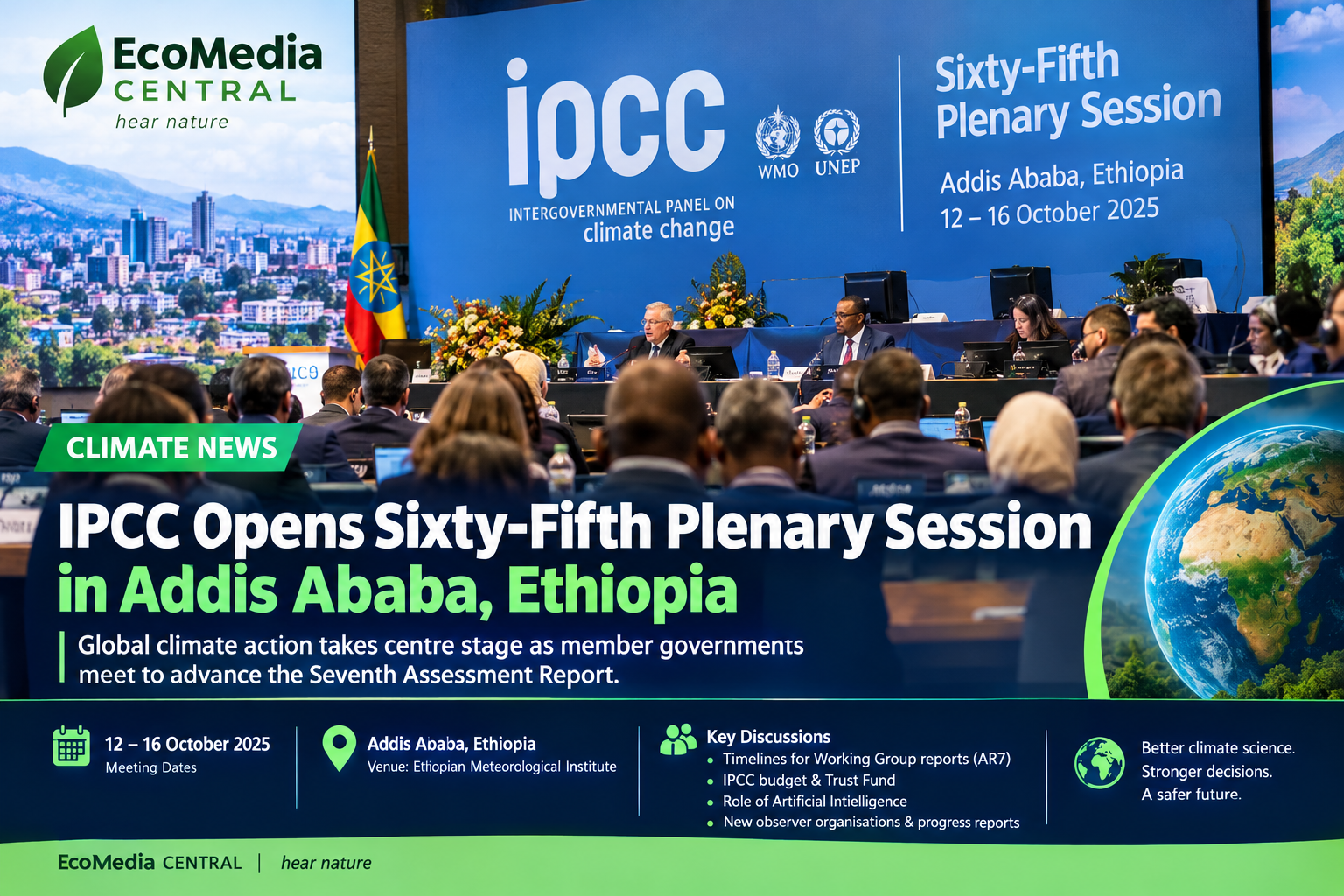
The world’s climate future is under discussion in Addis Ababa, Ethiopia, as the Intergovernmental Panel on Climate Change,...


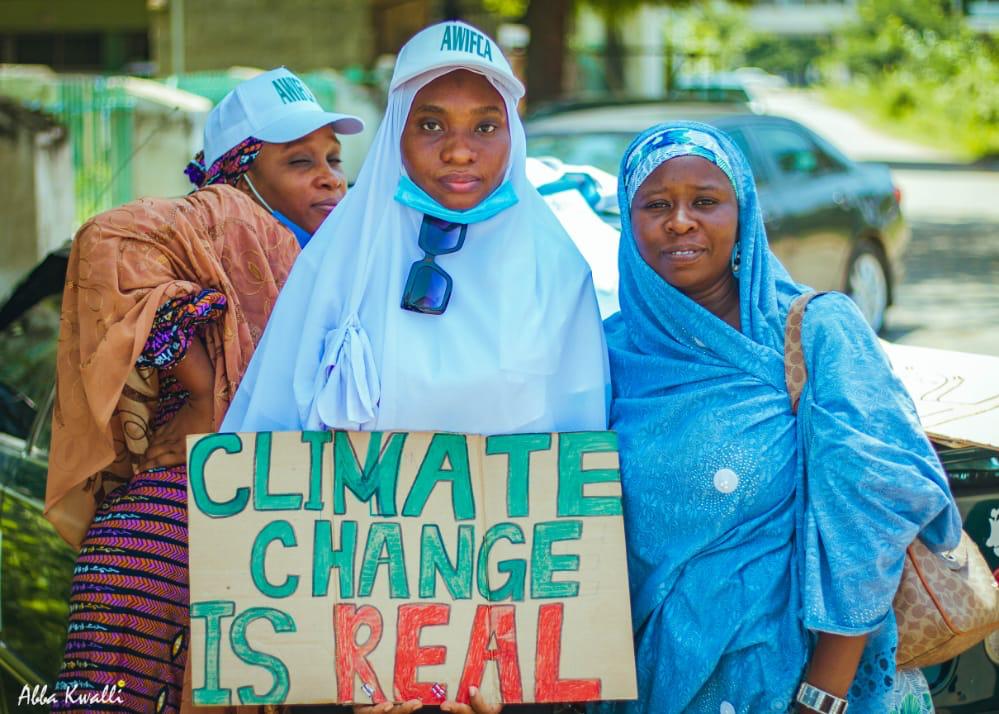
Climate change is the biggest story of our time, yet it rarely makes the headlines. While for instance floods displace families in Kogi and Kano, and heatwaves scorch some African countries and Northern Nigeria, much of the media is still focused on politics, celebrity gossip, and entertainment. At EcoMedia CENTRAL, we believe it’s time to ask: why?
The main reason is the structure of modern journalism itself. Newsrooms are built for speed and “breaking news” what happened in the last five minutes.
Climate change is slow, complex, and cumulative. A gradual rise in temperature or a 10-year decline in rainfall doesn’t feel like breaking news to an editor chasing clicks. So, it gets pushed aside until it becomes a full-blown disaster.
Secondly, climate reporting is difficult and expensive. A good climate story requires data, science, field visits, and expert interviews. An entertainment story just needs a tweet and a photo. Many media houses in Nigeria lack a trained Environment Desk, funding, and the courage to hold powerful polluters and governments accountable. Entertainment is simply safer and more profitable.
The biggest problem, however, is misunderstanding. Many journalists still think climate reporting is only about trees, polar bears, and weather. They don’t realize that climate change IS the news.
When food prices rise in Kano market because crops failed, that’s climate. When farmers and herders clash over shrinking land, that’s climate. When floods destroy homes , that’s climate. It’s about food, health, economy, and security.
At EcoMedia CENTRAL, we were created to change this narrative. We don’t treat climate as a side topic , it is our main focus.
Our mission is to make climate change a local, human, and daily story that every Nigerian and the world in general can understand. Because the crisis is not coming tomorrow; it is already here.

The world’s climate future is under discussion in Addis Ababa, Ethiopia, as the Intergovernmental Panel on Climate Change,...
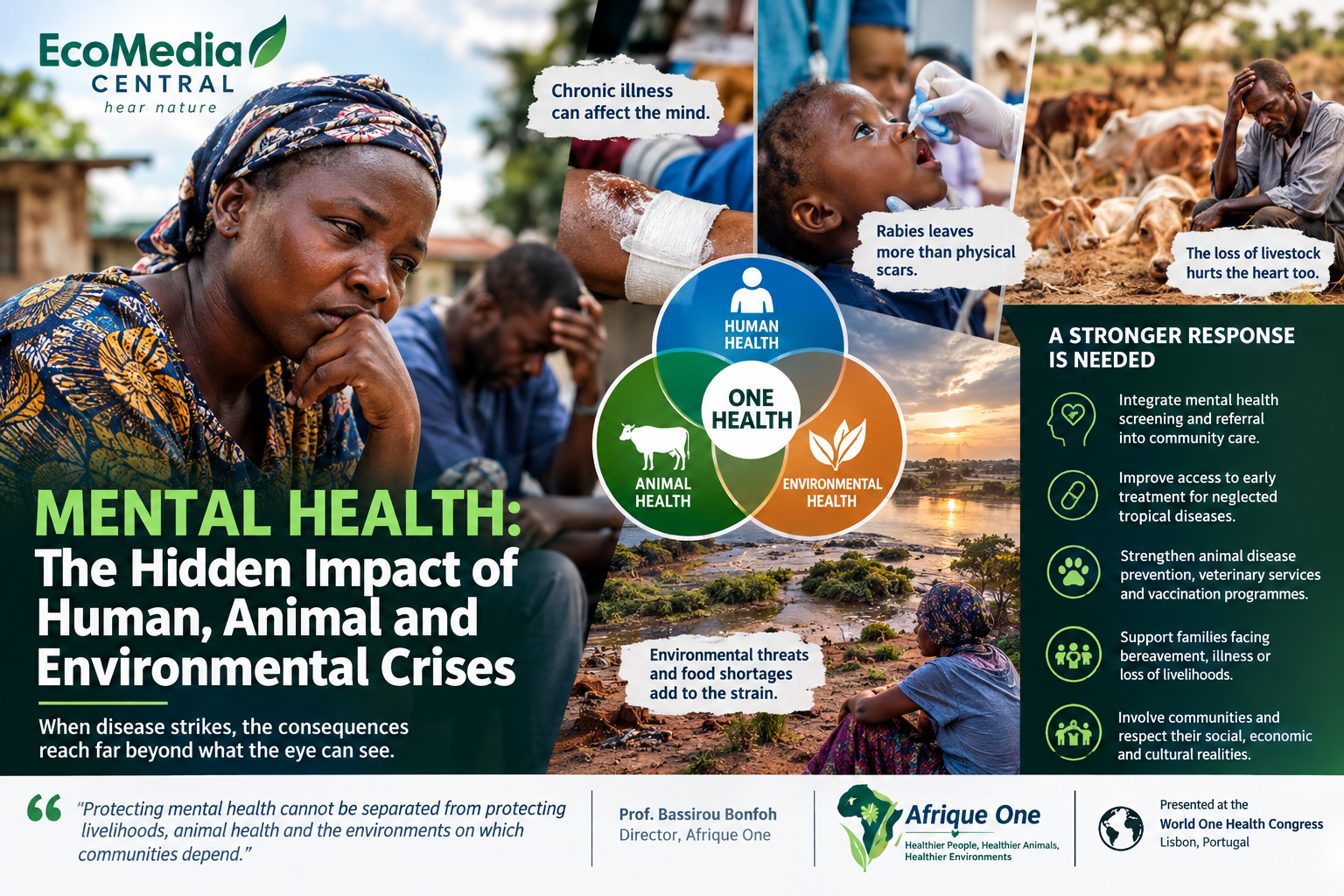
A chronic wound, the loss of livestock, food shortages or the death of a loved one can leave...
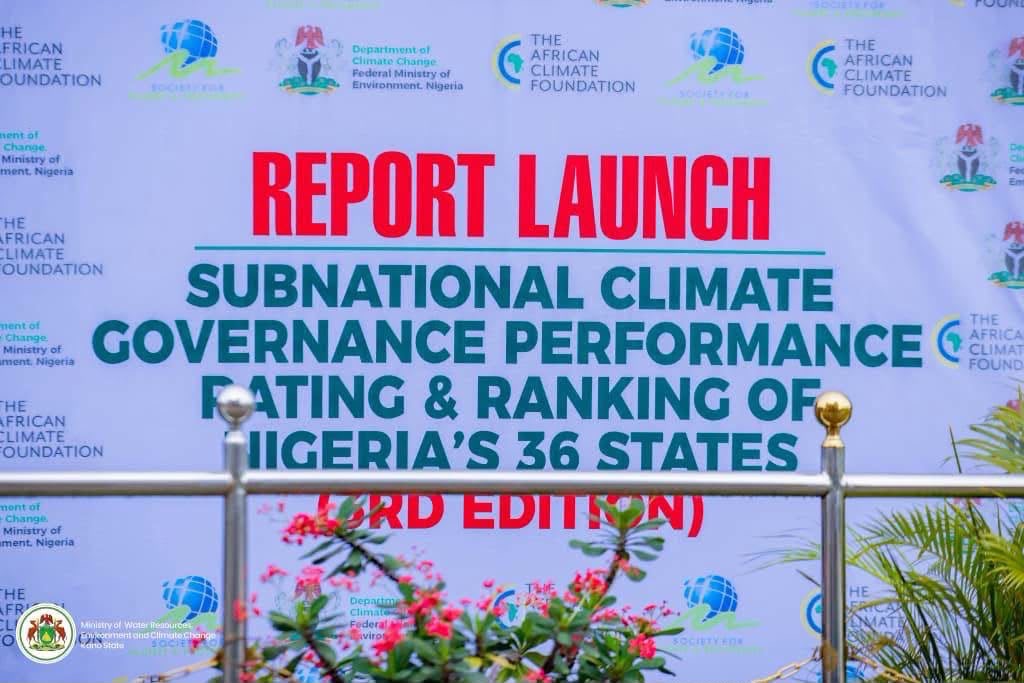
Kano State has moved up to third position among Nigeria’s 36 states in the 2026 Subnational Climate Governance Performance...