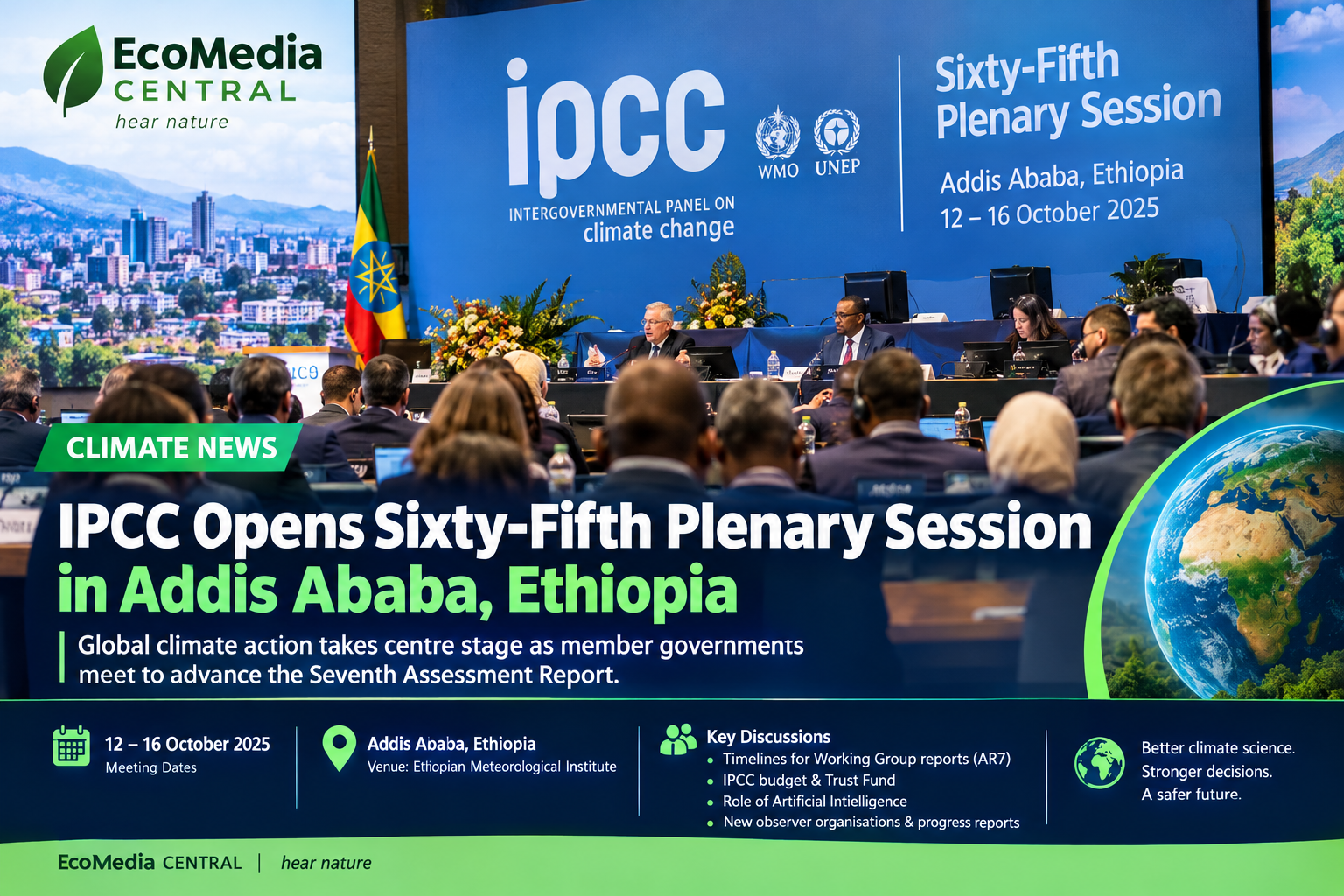
The world’s climate future is under discussion in Addis Ababa, Ethiopia, as the Intergovernmental Panel on Climate Change,...


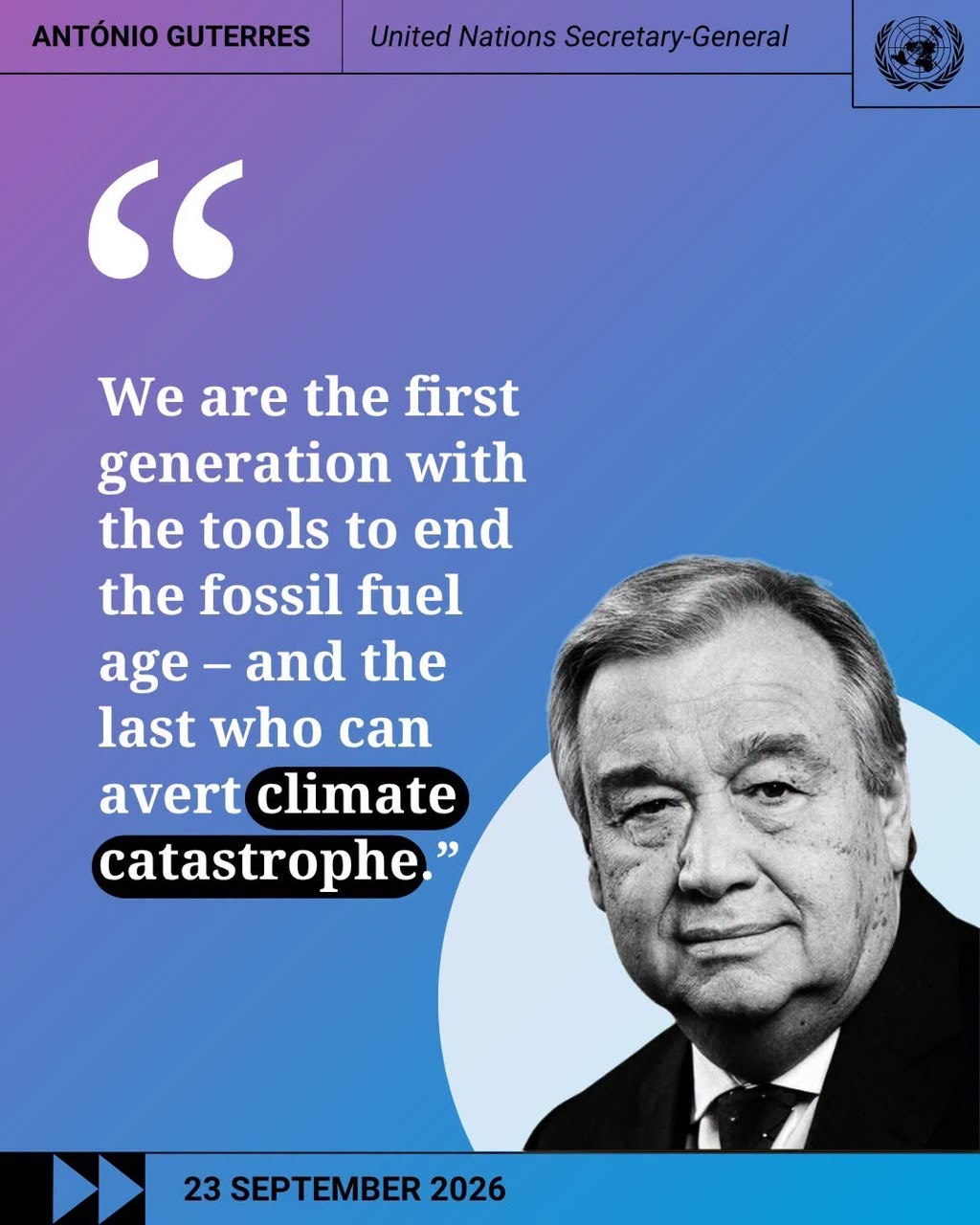
NEW YORK — United Nations Secretary-General António Guterres has called for faster and stronger climate action, warning that the world must match the accelerating climate crisis with an equally rapid expansion of solutions.
Speaking during a high-level UN event on climate action and the just transition in New York, Guterres highlighted the growing risks associated with continued dependence on fossil fuels and urged governments to accelerate the transition towards clean and renewable energy.
“The climate crisis is accelerating. So are the solutions.”
According to the UN Secretary-General, dependence on fossil fuels can expose households and countries to rising costs, economic pressures and disruptions linked to global energy markets and geopolitical conflicts.
He pointed to renewable energy as an increasingly important pathway towards a more secure and sustainable energy future, noting that renewables are among the cheapest and fastest sources of new electricity in many parts of the world. (UN eStatements)
From crisis to action
Guterres stressed that tackling climate change requires more than reducing emissions. Countries must also strengthen their ability to withstand the impacts that are already being experienced.
Without adequate adaptation measures, he warned, climate-related hazards can trigger wider social and economic consequences — with droughts contributing to food insecurity, storms worsening debt pressures and extreme heat threatening lives.
For communities already facing severe climate impacts, adaptation, resilience and access to climate finance remain critical parts of the response.
The UN Secretary-General also emphasised the importance of ensuring that the transition to clean energy is fair and inclusive, particularly for vulnerable communities and workers whose livelihoods may be affected by changes in energy systems.
Renewables and the changing energy landscape
The global energy system is already undergoing significant change. UN sources point to rapidly falling costs for technologies such as solar power, wind energy and battery storage, alongside increasing investment in clean energy. (The United Nations in Indonesia)
Guterres has argued that this transition is not only about climate protection but also about energy security, economic opportunity and reducing exposure to volatile fossil-fuel markets.
For developing countries, including those across Africa, the transition presents both challenges and opportunities: expanding clean energy access while building resilient infrastructure, creating jobs and ensuring that communities benefit from the emerging green economy.
The message for the world
The Secretary-General’s message is clear: climate action cannot wait for the crisis to become worse before solutions are implemented.
The technologies and approaches needed to reduce emissions and strengthen resilience are increasingly available. What remains crucial is the speed, scale and fairness with which governments, businesses, communities and individuals act.
As Guterres put it, the world has the tools to move beyond the fossil-fuel era but the opportunity to prevent the worst consequences of climate change is narrowing.
For EcoMedia CENTRAL, the message is one that deserves attention beyond international summits: climate action is not only a global responsibility; it is also a community responsibility.
The question now is not whether solutions exist, but how quickly can we turn those solutions into action where we live?

The world’s climate future is under discussion in Addis Ababa, Ethiopia, as the Intergovernmental Panel on Climate Change,...
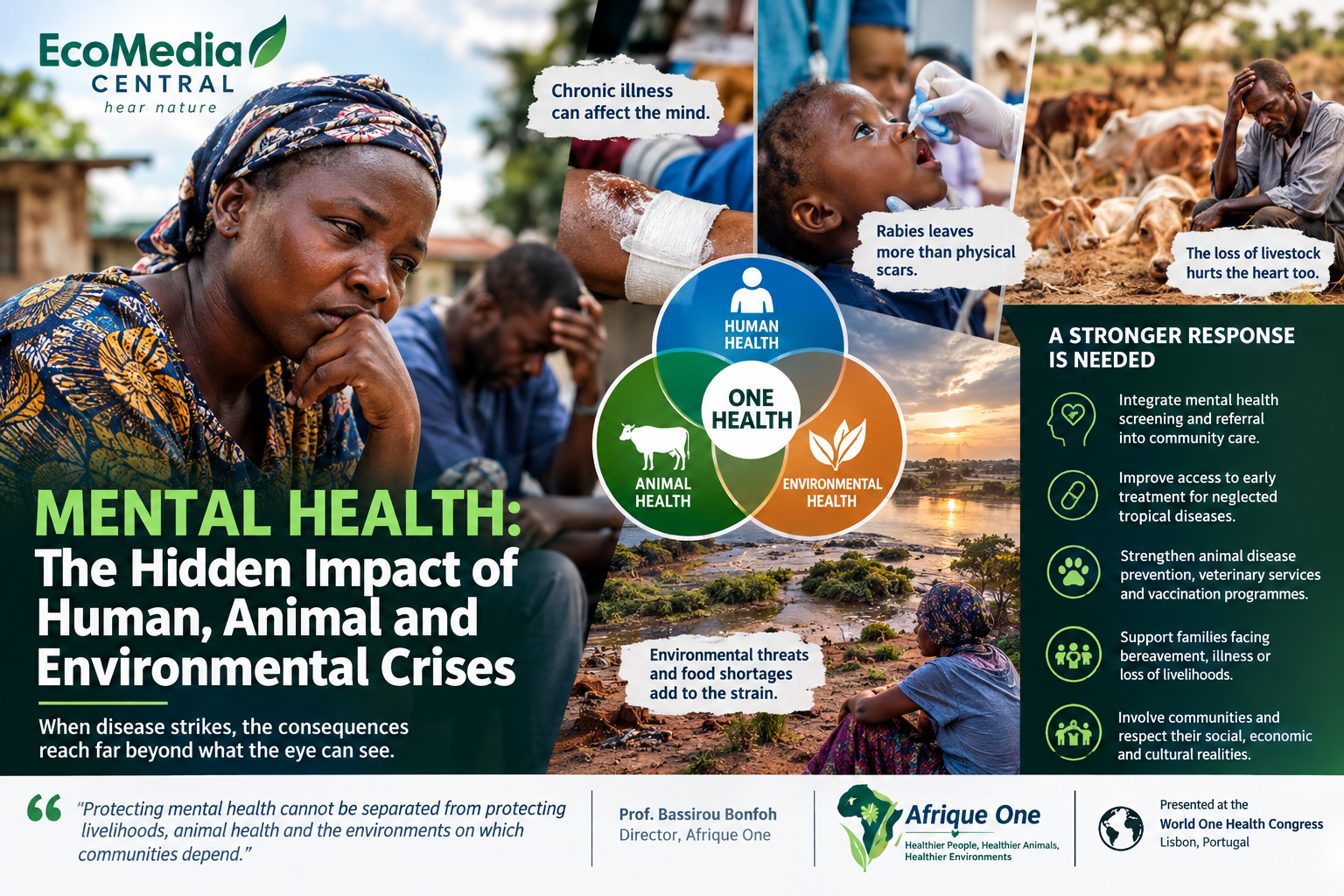
A chronic wound, the loss of livestock, food shortages or the death of a loved one can leave...
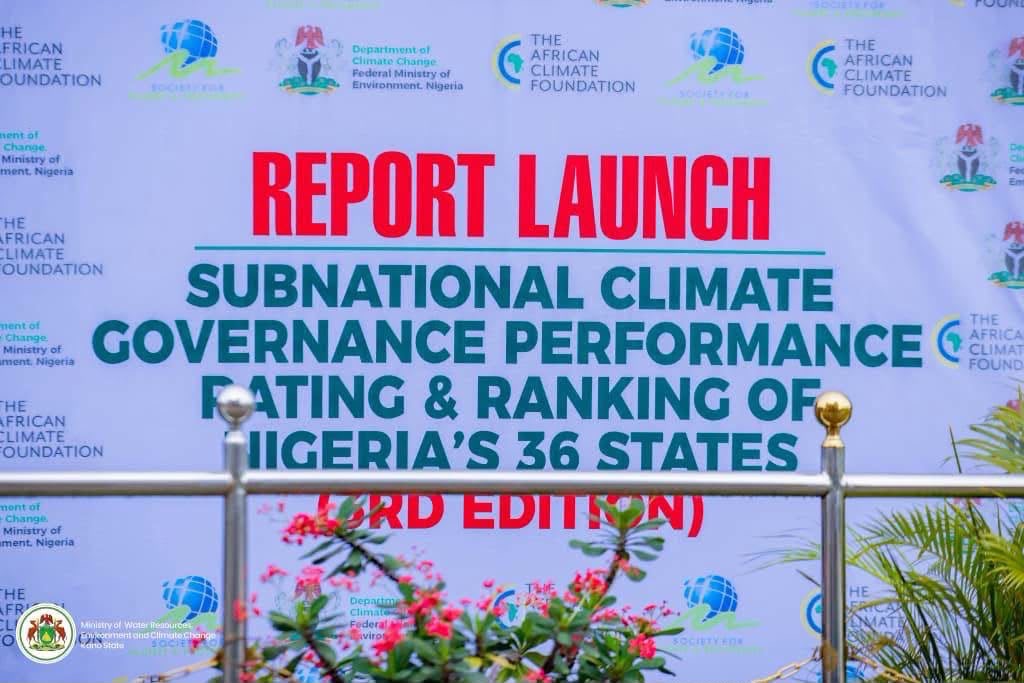
Kano State has moved up to third position among Nigeria’s 36 states in the 2026 Subnational Climate Governance Performance...