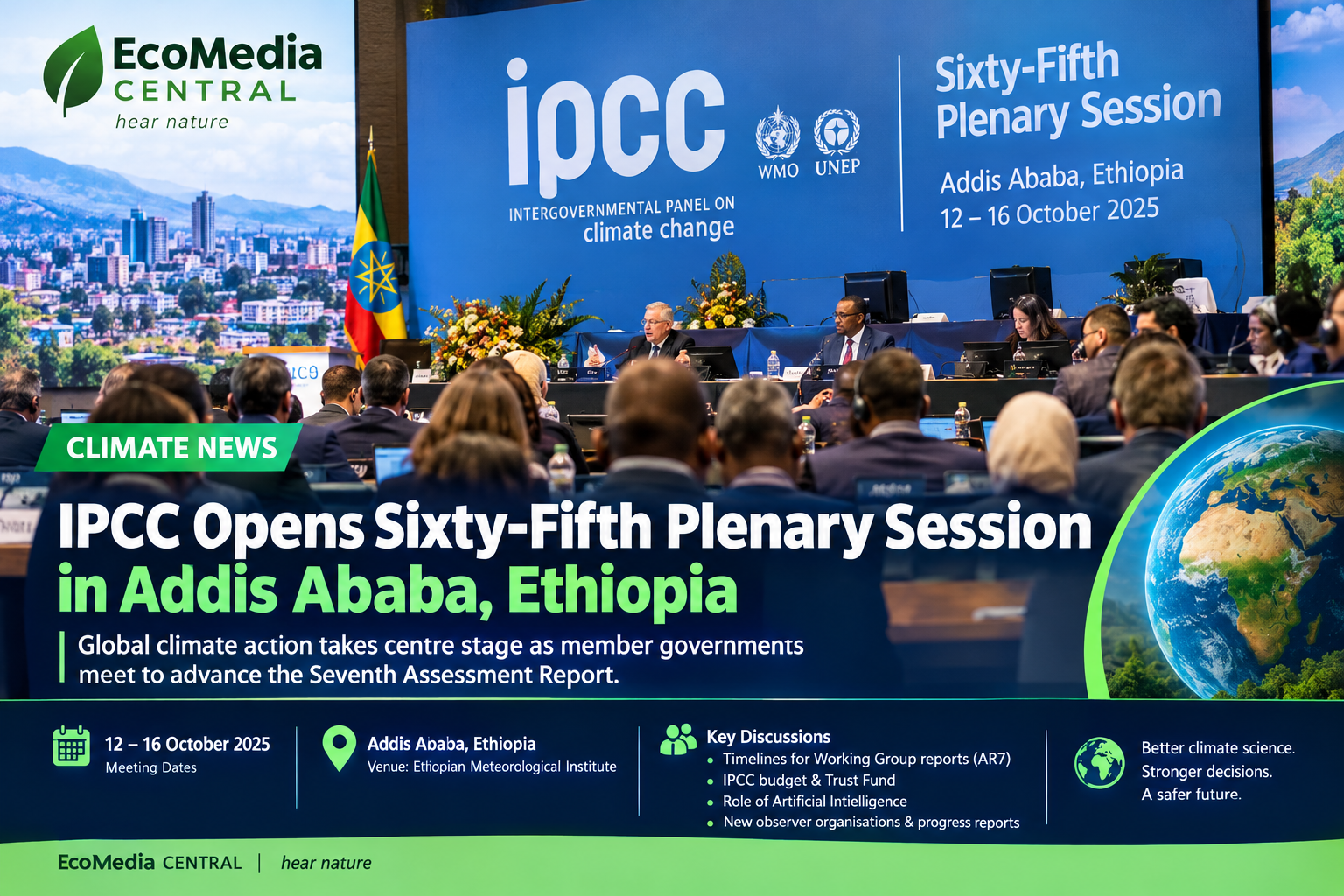
The world’s climate future is under discussion in Addis Ababa, Ethiopia, as the Intergovernmental Panel on Climate Change,...


Countries around the world are increasing efforts to protect forests, wetlands, wildlife and other ecosystems, but a major challenge is becoming increasingly clear: the world still lacks sufficient, reliable and accessible biodiversity data. Without accurate information about species, habitats and changes in ecosystems, governments and environmental organisations may struggle to determine whether their conservation efforts are actually producing results.
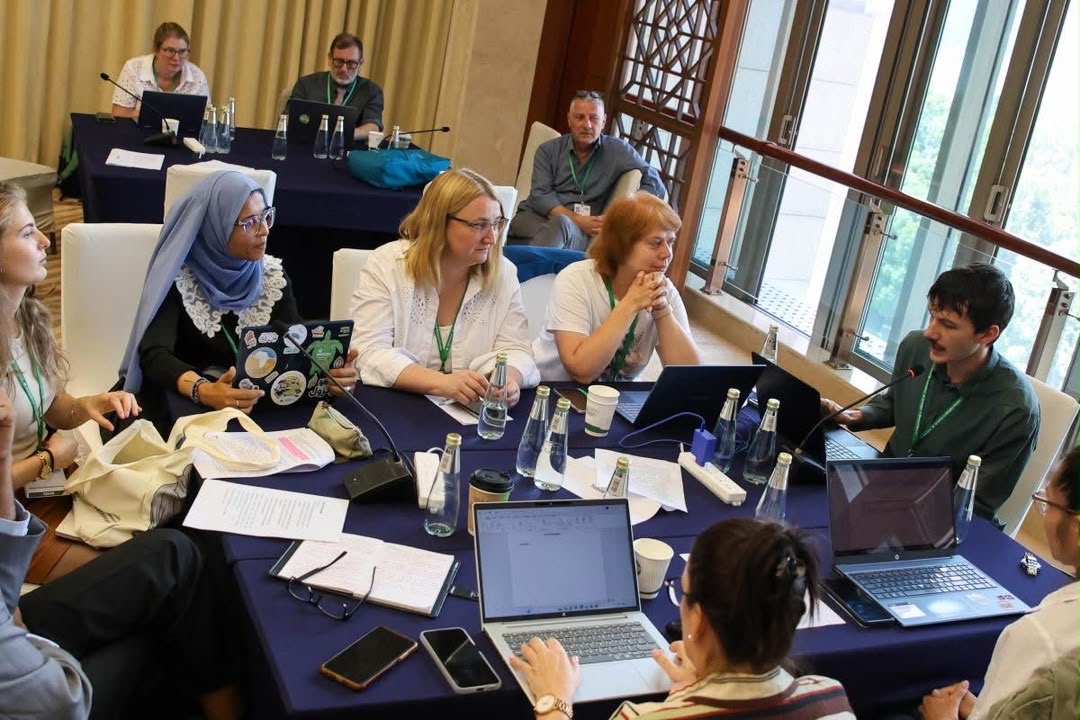
This issue was among the key discussions at the Kunming Dialogue in China, where participants examined how countries can strengthen the information and knowledge needed to track progress under the Kunming-Montreal Global Biodiversity Framework.
One of the major problems identified is that biodiversity information is often scattered across different institutions. Government ministries, research institutions, businesses, conservation organisations and communities may each hold valuable information, but these datasets are not always connected or easily shared.
This can create gaps in knowledge and make it difficult to build a clear picture of the condition of ecosystems. Participants therefore stressed the importance of developing systems that allow information from different sources to be brought together, compared and used effectively.
Reliable baseline data is particularly important. Countries need to know the condition of their forests, wetlands, rivers, wildlife populations and other ecosystems before they can properly measure change. For example, if a government launches a programme to restore degraded land or protect a particular species, it needs credible information from the beginning to determine whether the situation has improved over time. Without such a baseline, environmental claims can become difficult to verify and successful interventions may be difficult to distinguish from programmes that have produced limited results.
The discussions also highlighted the importance of a whole-of-government and whole-of-society approach to biodiversity protection. Environmental protection cannot remain the responsibility of environmental ministries alone. Agriculture, water resources, education, health, urban planning, energy, infrastructure and other sectors all influence biodiversity.
At the same time, communities, researchers, traditional knowledge holders, businesses and civil society organisations often possess valuable information and experience. Recognising and properly integrating these contributions can create a much stronger understanding of environmental changes at local and national levels.

However, bringing these different actors together presents its own challenges. Government agencies and other organisations may have different priorities, methods of collecting information and standards for managing data. Some communities may also have important environmental knowledge that is not formally documented or incorporated into national systems. Addressing these differences will require stronger coordination, common standards, investment in technology and capacity building, as well as greater recognition of the role communities play in monitoring and protecting nature.
The biodiversity data challenge is particularly relevant to countries across Africa, where communities are experiencing changes in rainfall patterns, flooding, drought, land degradation, habitat loss and pressure on natural resources.
Better biodiversity information can help governments and communities understand where ecosystems are under pressure and identify practical solutions. It can also strengthen environmental journalism and public awareness by giving citizens credible evidence about what is happening to the natural environment around them. Reliable local data can turn environmental concerns into measurable issues that demand informed action.
The discussions at the Kunming Dialogue will continue to contribute to the global biodiversity process, with key messages expected to feed into the global biodiversity review at CBD COP17 in Yerevan, Armenia, from 19 to 30 October 2026. The broader lesson is clear: ambitious environmental commitments must be supported by evidence, monitoring and accountability. Protecting biodiversity is not simply about announcing targets; it is about understanding what is happening on the ground and measuring whether interventions are making a difference. If countries want to protect nature effectively, they must first strengthen the information needed to understand it. Better data can lead to better decisions, stronger accountability and more effective action for nature and future generations.

The world’s climate future is under discussion in Addis Ababa, Ethiopia, as the Intergovernmental Panel on Climate Change,...
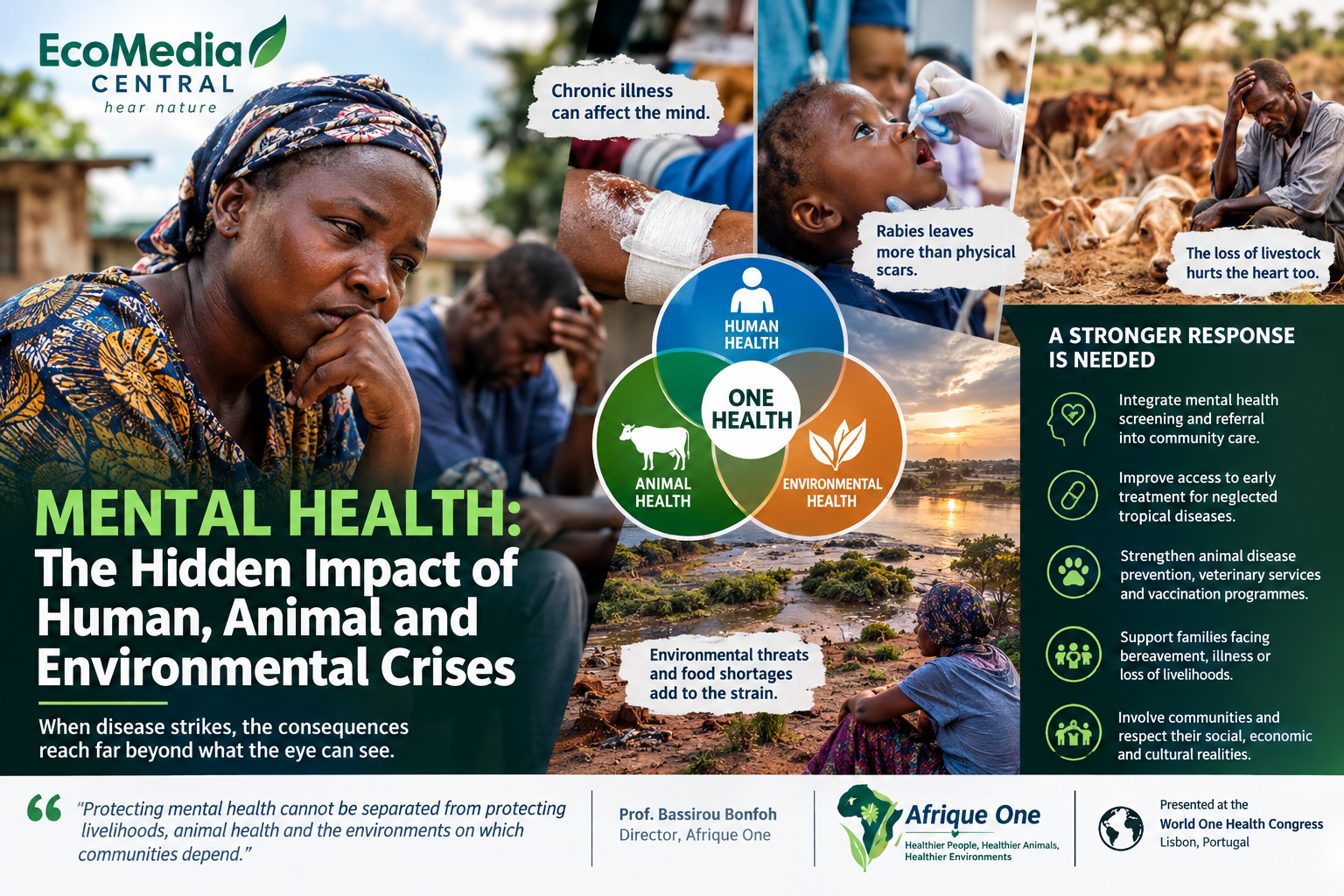
A chronic wound, the loss of livestock, food shortages or the death of a loved one can leave...
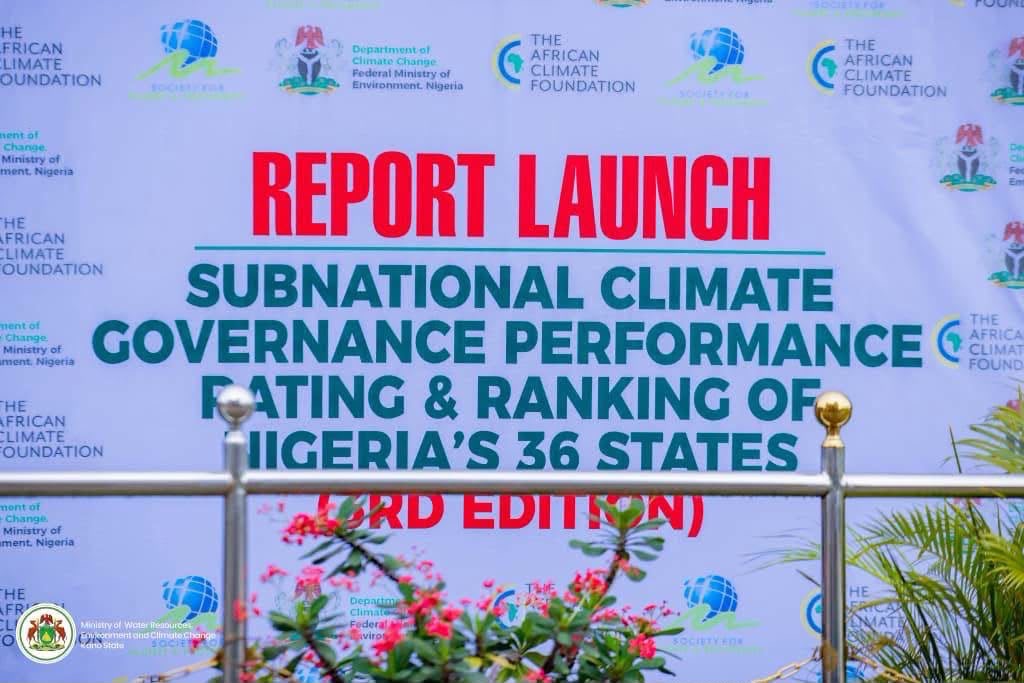
Kano State has moved up to third position among Nigeria’s 36 states in the 2026 Subnational Climate Governance Performance...